
Thermal spas have long been revered as havens of healing and relaxation, harnessing Europe’s rich natural resources for well-being. Today, however, our role extends beyond therapeutic waters; we are also custodians of the environment. The imperative to reduce our carbon footprint and manage energy emissions effectively has never been more urgent. Rising operational costs and increasing regulatory pressures mean that sustainable practices are no longer optional—they are essential for the long-term viability and credibility of the European spa sector.
Operating a thermal spa, with its inherent demand for heating vast quantities of water and maintaining comfortable environments, presents unique energy management challenges. Yet, these challenges also offer significant opportunities for innovation and leadership in sustainable wellness tourism. By adopting proactive strategies, our member organizations can not only mitigate environmental impact but also achieve considerable economic benefits.
At ESPA EHV, we believe in advancing balneology, natural healing resources, and sustainable wellness practices. This commitment includes guiding our members toward a greener future, ensuring that the unique heritage of European spas is preserved for future generations while meeting modern sustainability standards, as we emphasize in our discussion on Spa Certification in Europe: Requirements and Pathways for Operators.
What Does “Carbon Footprint” Mean for a Thermal Spa?
For a thermal spa, the carbon footprint represents the total greenhouse gas emissions generated directly and indirectly by its operations, from heating thermal pools to electricity consumption for lighting and ventilation. Effectively managing this footprint involves a comprehensive approach to reduce energy consumption and transition to cleaner energy sources.
Understanding and reducing our carbon footprint is a foundational step in sustainable operation. It encompasses all aspects of energy use, from the pumps that circulate mineral waters to the heating, ventilation, and air conditioning (HVAC) systems that regulate indoor climates. Every kilowatt-hour consumed contributes to emissions, and for facilities like thermal spas, with their significant energy demands, this impact can be substantial. Our collective representation through a single European umbrella aims to help spas navigate these complexities. According to the U.S. Environmental Protection Agency, a carbon footprint is the total amount of greenhouse gases (including carbon dioxide and methane) that are generated by our actions. We apply this principle across our European context, recognizing that while specific regulations vary, the underlying scientific reality of climate impact is universal. U.S. EPA.
“The spa sector, deeply rooted in natural resources, has a particular responsibility to demonstrate leadership in environmental stewardship. Reducing energy consumption isn’t just about cost savings; it’s about preserving the very environment that makes spa therapy possible.”
How Can Thermal Spas Effectively Manage Energy and Emissions?
Effective energy and emissions management for thermal spas begins with a thorough energy audit, followed by targeted investments in efficiency and renewable energy. This involves optimizing existing systems, exploring geothermal potential, and engaging with energy providers to source cleaner electricity.
The process starts with a detailed assessment of current energy consumption. This means scrutinizing everything from heating systems for natural thermal waters to lighting, kitchen operations, laundry facilities, and guest accommodation. Once a baseline is established, spas can identify the biggest energy drains and prioritize interventions. Many of our member spas, particularly those with long institutional histories, have learned that small adjustments can lead to significant cumulative savings. For instance, optimizing water heating and circulation systems, which are central to any thermal spa, can drastically cut energy use, as we discuss in our post on Water Management in Thermal Resorts: Conservation and Recycling Strategies.
Where Can Spas Make the Biggest Impact on Emissions?
Spas can achieve significant emissions reductions by focusing on thermal water heating, building envelope improvements, integrating renewable energy, and optimizing HVAC systems. Strategic shifts in these areas offer the most substantial return on investment for carbon footprint reduction.
Key areas for focused effort include:
- Thermal Water Heating: This is often the largest energy consumer. Implementing heat recovery systems, optimizing pump schedules, and insulating pipes and reservoirs are crucial. Exploring advanced geothermal heat exchange systems, where feasible, can leverage the very resource the spa is built upon.
- Building Insulation and Efficiency: Upgrading windows, walls, and roofs to better insulate facilities reduces heat loss in winter and heat gain in summer, lessening reliance on HVAC systems.
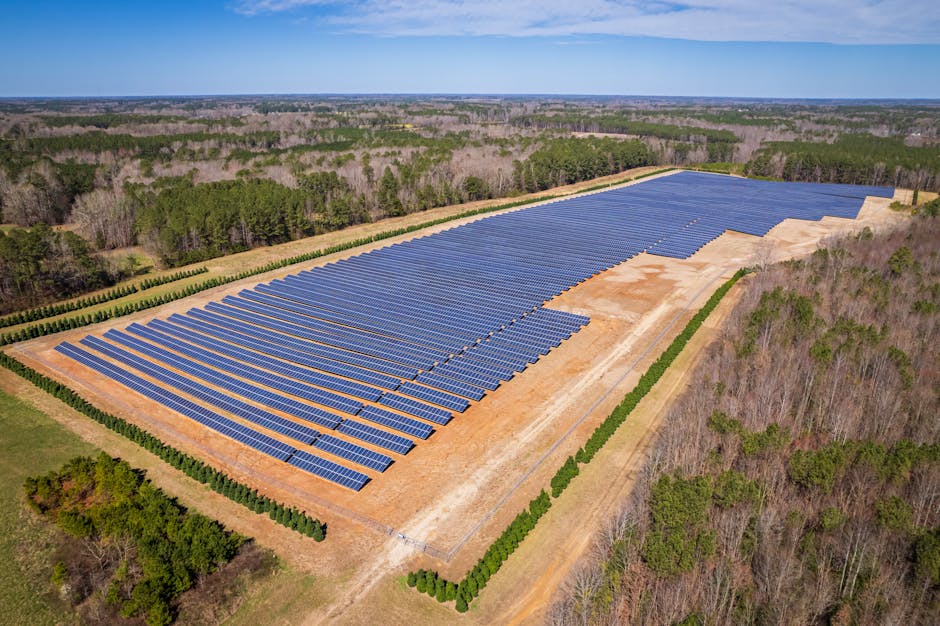
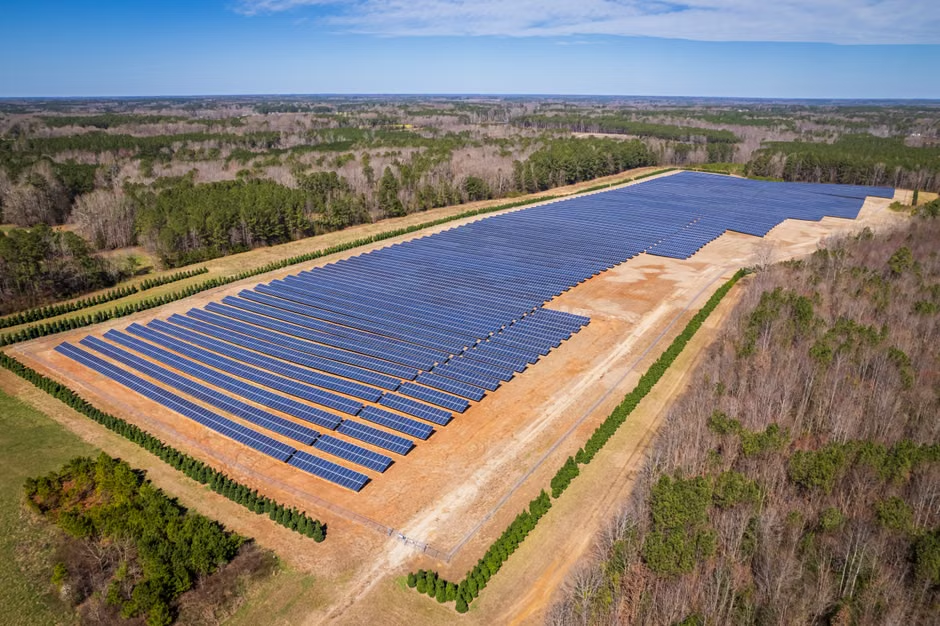
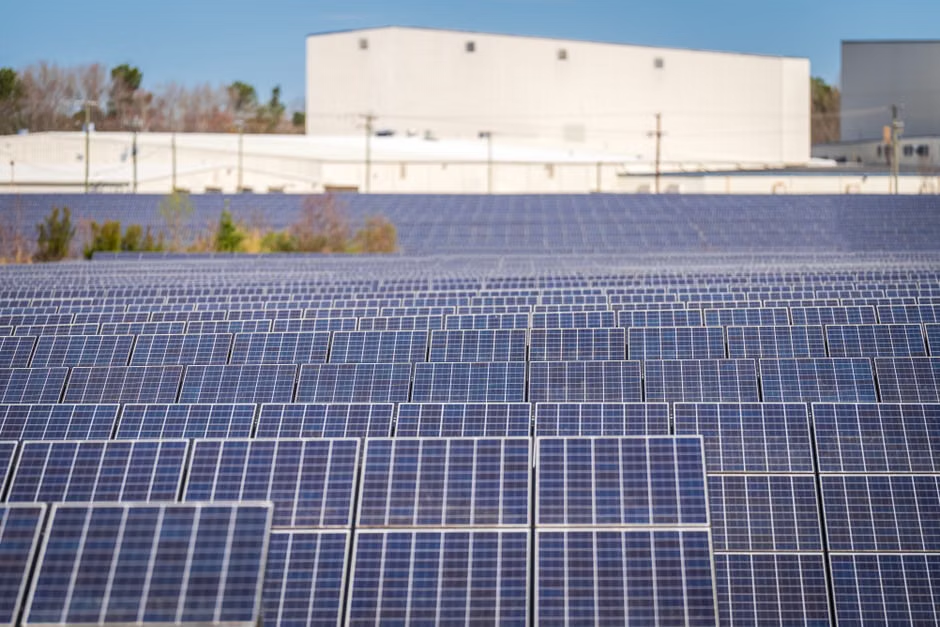
- Renewable Energy Integration: Installing solar photovoltaic (PV) panels for electricity generation or solar thermal collectors for water pre-heating can offset grid electricity demand. Engaging with local energy providers to switch to green energy tariffs is another powerful step.
- Optimized HVAC Systems: Implementing smart controls, variable speed drives, and high-efficiency heat pumps can reduce the energy needed to maintain comfortable indoor temperatures and humidity levels. Regular maintenance is key for peak performance.
- Lighting Upgrades: Transitioning to LED lighting across all facilities drastically reduces electricity consumption and often improves ambiance.
- Waste Management: Reducing, reusing, and recycling waste lowers the embodied energy associated with materials and reduces landfill emissions.
- Water Conservation: Beyond energy for heating, conserving water reduces the energy needed for pumping, treatment, and disposal.
What Are the Unique Challenges and Alternatives for Thermal Spas?
Thermal spas face the inherent challenge of maintaining large volumes of heated water constantly, a process that is energy-intensive. While direct emissions reduction is primary, exploring green energy tariffs from utility providers and strategic carbon offsetting can serve as valuable complementary strategies.
Unlike other businesses, a thermal spa cannot simply “turn off” its core offering. The continuous demand for warm mineral water means a constant energy load. This necessitates a nuanced approach. While the ideal is always to reduce consumption first, working with energy providers—whether it’s Duke Energy in one region, or a different utility like Dominion Energy, Xcel Energy, or Consumers Energy elsewhere in Europe—to secure certified renewable energy contracts is a vital alternative when on-site generation isn’t sufficient. Our involvement in policy dialogue with EU institutions since 2003 has continually highlighted the need for supportive frameworks that enable spas to access sustainable energy options. Richard Hargreaves notes that “navigating the varied energy markets across Europe requires a clear strategy for direct action and smart procurement.”
Some thermal spas are uniquely positioned to utilize their natural geothermal resources for heating, significantly reducing external energy reliance. However, this isn’t universally applicable. For those without direct geothermal access, strategies may include exploring district heating networks powered by renewables, biomass boilers, or advanced heat pump technologies that can extract energy from the surrounding environment. It’s about finding the best fit for your specific location and operational needs.
What Realistic Outcomes Can Spas Expect from Carbon Reduction Efforts?
Thermal spas that prioritize carbon reduction can realistically expect significant cost savings from reduced energy consumption, enhanced brand reputation, compliance with environmental regulations, and increased appeal to eco-conscious guests. These benefits manifest over a timeline ranging from immediate savings to long-term market differentiation.
The journey towards a lower carbon footprint isn’t an overnight transformation, but the benefits are tangible and far-reaching. Immediately, spas can see reductions in utility bills as efficiency measures take hold. Within 1-3 years, larger investments in renewable energy or major system upgrades begin to pay dividends, both economically and environmentally. Long-term, beyond 5 years, a consistently low-carbon operation translates into stronger market positioning, resilience against fluctuating energy prices, and a more sustainable business model. We’ve seen real case studies from European spa destinations like Czechia and Hungary that demonstrate the positive impact on business ROI. Furthermore, aligning with initiatives like the EU Ecolabel for Spas: Sustainability Certification and Requirements offers a verifiable benchmark for these efforts.
Practical Tips for Reducing Your Thermal Spa’s Carbon Footprint
Embarking on carbon footprint reduction requires a structured approach and continuous commitment. Here are some practical steps your thermal spa can take:
- **Conduct Regular Energy Audits:** Start with a professional energy audit to identify specific areas of high consumption and potential savings. This gives you a clear roadmap.
- **Invest in Smart Technology:** Implement energy management systems (EMS) that monitor and control energy usage across different departments. Smart thermostats, occupancy sensors, and automated lighting controls are crucial.
- **Prioritize Maintenance:** Ensure all heating systems, boilers, pumps, and HVAC units are regularly serviced for peak efficiency. A well-maintained system uses less energy and reduces the risk of issues like carbon monoxide leaks, which can be detected by a carbon monoxide detector.
- **Explore Renewable Energy Sources:** Evaluate the feasibility of on-site solar PV, solar thermal, or geothermal heat pumps. If direct installation isn’t possible, investigate purchasing green electricity from your utility provider (such as NV Energy in some regions or CPS Energy in others, adapting to the European context of your local provider).
- **Educate and Engage Staff:** Foster a culture of sustainability among your team. Simple actions like turning off lights, reporting leaks, and optimizing laundry loads can collectively make a big difference.
- **Monitor and Report:** Track your energy consumption and emissions regularly. Publicly sharing your progress can enhance transparency and boost your spa’s reputation as a responsible operator.
“Sustainability is not merely an environmental goal; it is an integral component of operational excellence and financial stability for any health resort. Integrating eco-conscious practices attracts guests, retains talent, and safeguards future profitability.”
— Journal of Public Health Research, referencing sustainable tourism practices
Our commitment to long-term sector development means we view energy and emissions management not just as compliance, but as an opportunity for European spas to lead. By embracing these strategies, we ensure that natural remedies using mineral water, climate, and landscape will continue to be credible and future-ready, solidifying our position as truly sustainable destinations for health and wellness.