

As European spa and health resort operators, we know the immense importance of natural healing resources like thermal springs. These resources are at the heart of balneology and sustainable wellness tourism, but their operation often comes with significant energy demands. Managing these costs while upholding our commitment to eco-preservation presents a considerable challenge. Energy expenses can fluctuate wildly, impacting operational budgets and long-term sustainability goals. We constantly seek credible, future-ready solutions that align with our role as custodians of nature.
The pursuit of sustainability isn’t just an ethical choice; it’s an economic imperative. Reducing our reliance on conventional energy sources is a critical step toward minimizing our carbon footprint and securing the viability of our unique spa heritage for future generations. This focus is something we explore in depth in our guide to reducing carbon footprint through energy and emissions management for thermal spas.
At ESPA EHV, we are the voice of common interests on the European level, advocating for practices that advance balneology, natural healing resources, and sustainable wellness. We see renewable energy solutions, particularly solar and geothermal, as pivotal to this future. These technologies offer a pathway to harness the earth’s abundant energy, allowing our thermal facilities to operate more efficiently and sustainably. This post will delve into how these systems work, their benefits, and how they can be effectively integrated into your spa’s operations.
What is Solar Thermal Energy?
Solar thermal energy harnesses the sun’s radiation to generate heat rather than electricity. Unlike photovoltaic (PV) panels that convert sunlight directly into power, solar thermal systems collect thermal energy, often to heat water or air for various applications. For spa facilities, this typically means pre-heating water for pools, showers, and heating systems, significantly reducing the demand for conventional fuel sources.
These systems generally consist of collectors that absorb solar radiation. Flat-plate collectors and evacuated tube collectors are common types. They contain a fluid that heats up and then transfers this heat via a heat exchanger to the spa’s water supply or heating circuit. This process can notably lower operational costs and contribute to environmental goals. According to the U.S. Department of Energy, solar water heaters can typically provide 50% to 80% of a home’s or business’s water heating needs, demonstrating their potential for significant energy savings. Energy.gov
How Do Geothermal-Solar Hybrid Systems Work in Spa Facilities?
Geothermal-solar hybrid systems combine the consistent thermal energy from the earth with the variable but abundant energy from the sun to create a robust and reliable energy supply. This integration provides a more stable energy profile than relying on either source alone, as geothermal offers a constant base load while solar compensates for peak demands or augments heating during sunny periods.
In a spa setting, geothermal heat pumps can efficiently regulate indoor temperatures and pre-heat water by transferring heat from the earth. When combined with solar thermal collectors, the solar input can pre-heat water even further before it enters the geothermal system or directly supply hot water during optimal solar conditions. This approach optimizes energy use, ensuring that natural remedies using mineral water, climate, and landscape are supported by the most sustainable heating methods available. We’ve seen in our member spa organizations across Europe that combining these technologies offers a pathway to near net-zero energy consumption for heating and cooling.
Solar Thermal vs. Photovoltaic: Which is Better for Heating Spa Water?
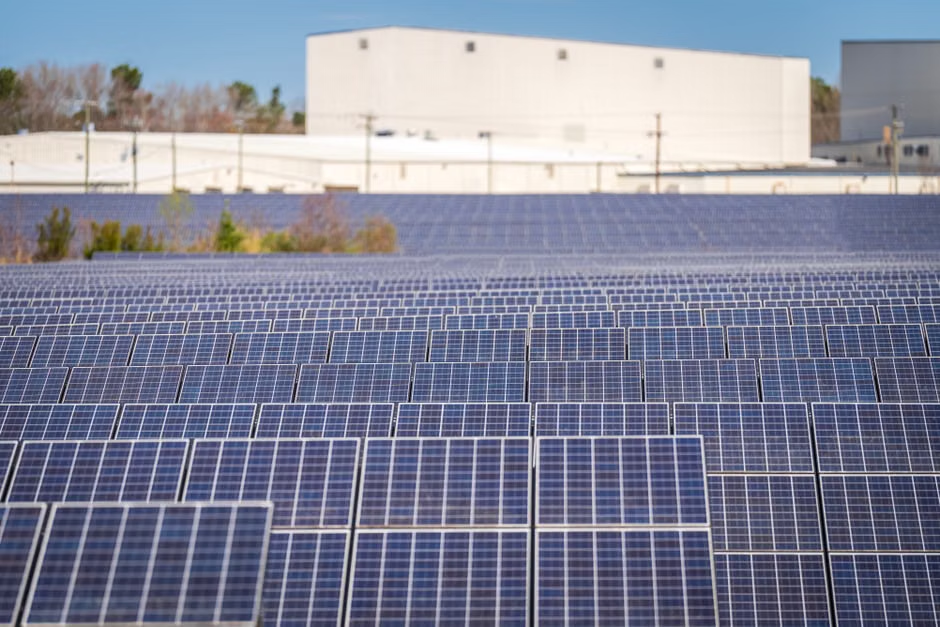
While both solar thermal and photovoltaic (PV) systems harness solar energy, their applications differ significantly. Solar thermal is designed specifically for heating water or air, boasting high efficiency in converting sunlight directly into thermal energy. PV systems, conversely, convert sunlight into electricity, which can then power electric water heaters or other spa equipment.
For the direct purpose of heating large volumes of water, as is common in thermal facilities, solar thermal systems generally offer a more direct and efficient solution. They excel at producing hot water with fewer losses compared to generating electricity via PV and then using that electricity for resistance heating. However, PV systems offer versatility, providing electricity for lighting, pumps, and other electrical loads, or even feeding excess power back into the grid. Many facilities choose a combination: solar thermal for primary water heating and PV for electricity generation, creating a truly holistic renewable energy strategy. Richard Hargreaves, a contributing writer for ESPA EHV, notes, “Choosing between solar thermal and PV often comes down to a spa’s specific energy profile and immediate needs, but a blended approach frequently delivers the greatest overall benefit.”
“The sustained operation of thermal facilities relies heavily on consistent, cost-effective heating. Solar thermal systems are remarkably efficient at converting sunlight into heat, making them an excellent choice for applications like large hot water demands in spas, directly addressing a primary energy consumption point.”
What Are the Key Benefits of Renewable Energy for Spas?
Adopting renewable energy solutions offers a multitude of benefits for European spa and health resort operators, extending beyond mere energy savings to encompass brand reputation and long-term sector development. These advantages are crucial for maintaining our unique spa heritage in Europe.
- Reduced Operational Costs: Stabilize and significantly lower energy bills, mitigating the impact of volatile fossil fuel prices.
- Enhanced Environmental Stewardship: Drastically cut greenhouse gas emissions, aligning with EU sustainability targets and positioning the spa as a leader in eco-preservation.
- Improved Brand Image and Attractiveness: Attract environmentally conscious guests who value sustainable practices and support businesses committed to a greener future.
- Long-Term Energy Independence: Reduce reliance on external energy suppliers and strengthen energy security.
- Eligibility for Incentives: Access grants, subsidies, and tax breaks often available for renewable energy installations at national and EU levels.
- Compliance with Standards: Meet increasingly stringent environmental regulations and certifications, like those we advocate for with the EU Ecolabel for Spas.
Considering Nuances and Alternatives
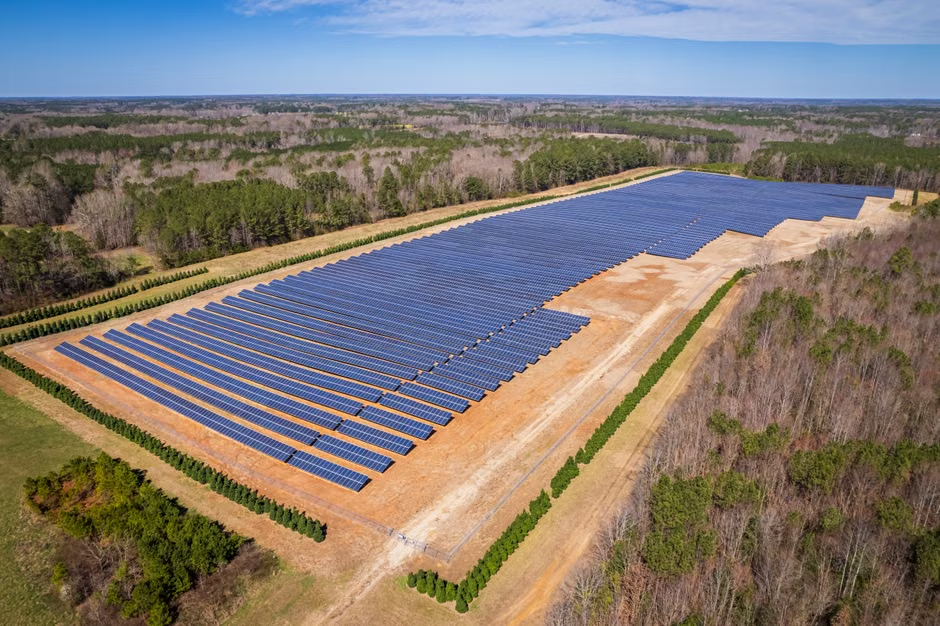
While solar and geothermal are excellent choices, they aren’t the only paths to sustainability, nor are they universally ideal for every spa. Site-specific geological conditions dictate the feasibility and efficiency of geothermal systems; not every location has accessible geothermal resources. Similarly, the amount of available roof space, orientation to the sun, and local climate can impact solar thermal efficiency. We must consider these factors when making investment decisions. In our active involvement in policy dialogue with EU institutions, we continually highlight the need for tailored solutions.
Other renewable energy options exist. Biomass boilers, powered by sustainable wood pellets or agricultural waste, can be a viable alternative for spas with access to local, renewable fuel sources. Air or water source heat pumps, while still requiring electricity, are highly efficient in transferring existing heat. The key is a thorough feasibility study, assessing local resources, energy demands, and capital investment. We encourage members to explore options that best suit their unique geographic and operational profiles. This comprehensive view builds trust and ensures we’re supporting truly sustainable, evidence-based wellness.
“Implementing renewable energy solutions is a long-term investment that brings both environmental and economic returns. A detailed energy audit and feasibility study are crucial first steps to identify the most suitable technologies and ensure optimal system design for specific operational needs.”
— National Institutes of Health (General statement on sustainability research)
Realistic Expectations and Return on Investment
Transitioning to renewable energy is a significant undertaking, and it’s essential to set realistic expectations. The upfront investment for solar thermal and geothermal systems can be substantial, but the long-term operational savings are compelling. We’ve seen through centuries of documented thermal spring use in member regions that smart infrastructure investments pay dividends. Payback periods typically range from 5 to 15 years, depending on system size, local energy costs, and available incentives. After this period, spas can enjoy significantly reduced or even negligible heating costs for decades. Furthermore, these investments increase property value and reduce exposure to future carbon taxes or energy price hikes.
We actively facilitate expertise among members, and our focus on research and knowledge sharing shows that robust planning and professional installation are paramount to achieving the projected return on investment. It’s not just about installing panels or drilling wells; it’s about integrating these systems intelligently into existing infrastructure and ensuring they meet the specific demands of a health resort. For a deeper dive into the financial aspects, we recommend reviewing our analysis on spa business ROI and profitability for thermal resort operators.
Practical Steps for Adopting Renewable Energy
For spa operators considering the shift to solar and geothermal energy, a structured approach is vital for success. Here are some practical steps we recommend:
- Conduct a Comprehensive Energy Audit: Understand your current energy consumption patterns, identifying where the most significant savings can be made and what the specific thermal demands are.
- Perform a Feasibility Study: Assess the suitability of your site for solar thermal and geothermal installations, considering geological conditions, solar exposure, and available space.
- Research Available Incentives: Investigate national, regional, and EU grants, subsidies, or tax credits that can significantly offset the initial capital investment.
- Consult with Specialists: Engage qualified engineers and renewable energy consultants with experience in commercial thermal applications to design an optimized system.
- Plan for Integration: Consider how new systems will integrate with existing infrastructure, ensuring minimal disruption and maximum efficiency.
- Prioritize Maintenance: Establish a robust maintenance schedule to ensure the long-term efficiency and lifespan of your renewable energy systems.
We believe that connecting health, tourism, and natural resources requires a collective commitment to sustainability. By embracing renewable energy solutions like solar and geothermal, European spa and health resort operators not only enhance their own economic viability but also reinforce their dedication to environmental preservation and evidence-based wellness. We strive to preserve and develop the tradition of the spa and health resort in Europe, ensuring that our natural healing resources continue to thrive for generations to come. Join us in advancing a credible and future-ready spa sector.