
For spa and health resort operators across Europe, maintaining an impeccable environment isn’t just about luxury; it’s a foundational pillar of guest safety and trust. The threat of infection, whether from bacteria, viruses, or fungi, presents a significant challenge, particularly in shared spaces with varied water features and close personal contact. A single incident of compromised hygiene can undermine reputation, health outcomes, and the very essence of wellness we strive to provide. That’s why robust infection control in spas is non-negotiable.
We understand the complexities involved in safeguarding public health while offering rejuvenating experiences. It requires vigilance, precise protocols, and continuous education. Our collective representation through a single European umbrella ensures we advocate for high standards that protect both guests and the integrity of our industry. This commitment to quality and safety is why we also explore crucial topics like Wellness Facility Standards: International Quality Benchmarks for Spas, ensuring our members are equipped with the best practices available.
At ESPA EHV, we advance balneology, natural healing resources, and sustainable wellness practices, and integral to this mission is fostering environments where health truly flourishes. We believe in connecting health, tourism, and natural resources responsibly, ensuring that our spa destinations remain credible and future-ready. This post delves into the essential hygienic standards and protocols designed to minimize infection risk and uphold the highest levels of safety in European spas.
Foundation: Why Infection Control is Paramount in Spa Environments
Infection control encompasses a comprehensive set of practices designed to prevent the spread of harmful microorganisms. In spa environments, this isn’t merely good practice; it’s a public health imperative. Facilities often involve warm, moist conditions ideal for pathogen growth, shared equipment, and close contact between guests and staff. Without stringent protocols, spas could inadvertently become vectors for various ailments, from common skin infections to more serious respiratory or gastrointestinal illnesses.
Our member spa organizations operating continuously across Europe understand that centuries of documented thermal spring use are built on trust—trust that the healing waters and environments are safe. This long-standing experience reinforces the need for meticulous attention to hygiene. According to the World Health Organization, effective hand hygiene alone can significantly reduce the incidence of healthcare-associated infections, a principle equally vital in wellness settings.
“Implementing comprehensive infection prevention and control strategies is fundamental to ensuring patient safety across all healthcare settings, and these principles are highly transferable to environments like spas where public health is paramount.”
What are the essential hygienic standards and protocols for spas?
Essential hygienic standards for spas encompass thorough cleaning, disinfection, and, where appropriate, sterilization of all surfaces, equipment, and water features. Protocols must address environmental hygiene, personal hygiene for both staff and guests, and proper handling of linens and waste. These measures collectively aim to interrupt the chain of infection.
Effective infection control prevents the transmission of various pathogens, including common bacteria and viruses that can cause skin infections, respiratory infections like the common cold or flu, and even more serious conditions. Our expertise in balneology and thermal waters also means we have a keen understanding of water quality management, which is critical in preventing waterborne infections.
Key Areas for Hygiene Protocols:
- Surface Disinfection: Regular cleaning and disinfection of high-touch surfaces in changing rooms, treatment rooms, reception areas, and relaxation zones.
- Water Quality Management: Meticulous monitoring and treatment of thermal pools, hydrotherapy tubs, saunas, and steam rooms to prevent the proliferation of bacteria such as Legionella.
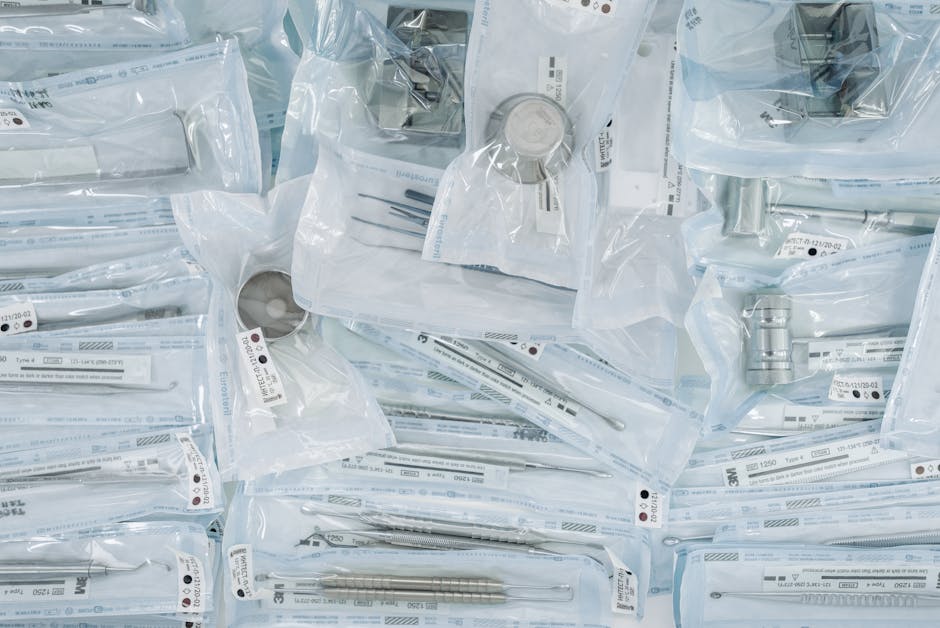
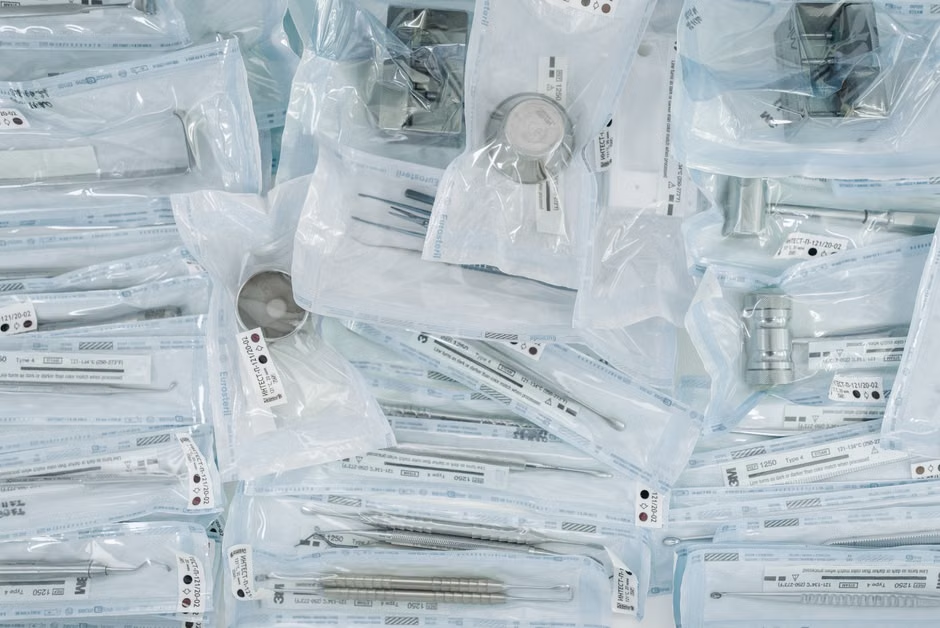
- Equipment Sterilization: Proper cleaning and sterilization of tools used in treatments like manicures, pedicures, or other aesthetic services.
- Linen Handling: Strict protocols for laundering, storing, and handling towels, robes, and bedding to prevent cross-contamination.
- Ventilation Systems: Ensuring adequate air circulation and filtration, particularly in enclosed spaces, to reduce the spread of airborne pathogens.
How It Works: The Multi-Layered Approach to Preventing Infection
Preventing infection in a spa is a multi-layered process, relying on both physical and procedural barriers. It begins with facility design, ensuring materials are easy to clean and maintain, and extends to daily operational routines. We encourage a proactive approach, where prevention is integrated into every aspect of spa management, not merely as a reactive measure.
For example, in our work with member organizations on Safety Protocols in Thermal Facilities: Best Practices for Operator Compliance, we emphasize the systematic application of disinfectants and rigorous cleaning schedules. This includes understanding contact times for various cleaning agents and ensuring staff are properly trained in their use. It’s about creating a holistic hygiene ecosystem.
What To Look For: Identifying Potential Risks in a Spa Setting
Operators, staff, and even guests can play a role in identifying potential hygiene risks. Recognizing the signs of inadequate infection control is crucial for preventing illness and maintaining a safe environment. We’re vigilant for circumstances that could foster bacteria and infection or lead to virus infection.
Be Aware of These Potential Red Flags:
- Unpleasant Odors: Persistent damp or musty smells can indicate mold or bacterial growth, especially in areas like changing rooms or saunas.
- Visible Grime or Stains: Any visible dirt, soap scum, or residue on surfaces, around water fixtures, or in pools suggests insufficient cleaning.
- Cloudy or Murky Water: In thermal pools or tubs, discolored or hazy water points to poor filtration, chemical imbalance, or heavy microbial load.
- Damaged Equipment: Worn-out, chipped, or cracked surfaces on massage tables, chairs, or treatment tools can harbor pathogens and are difficult to clean effectively.
- Lack of Hand Hygiene Supplies: Absence of soap, hand sanitizer, or clean towels in restrooms and staff areas is a basic but critical oversight.
- Improper Storage: Cleaning supplies, fresh linens, or sterilized tools left uncovered or stored improperly are susceptible to contamination.
How should disinfection solutions be prepared and applied in a spa setting?
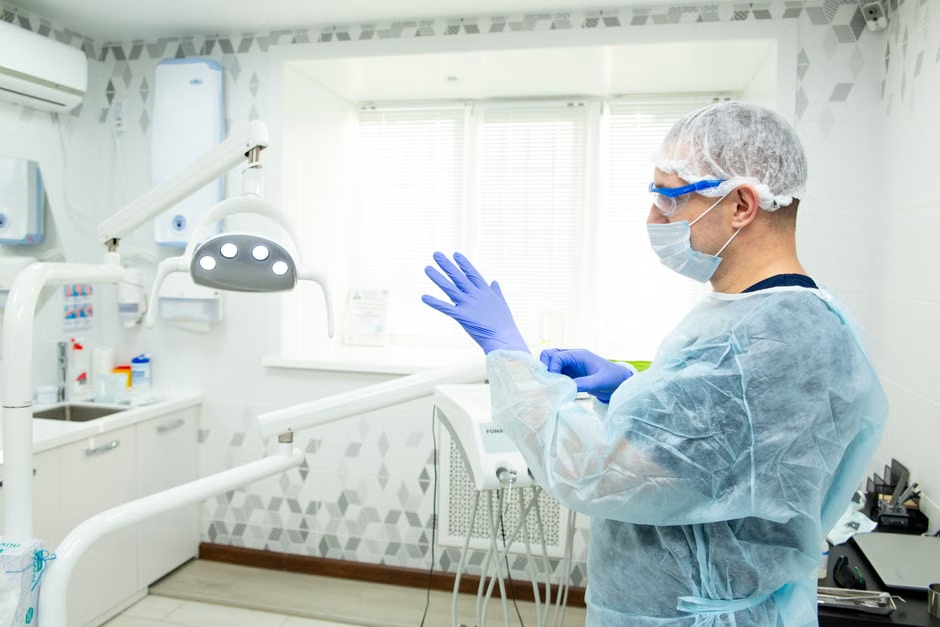
Disinfection solutions in a spa setting must be prepared strictly according to manufacturer instructions, paying close attention to dilution ratios, water temperature, and necessary personal protective equipment (PPE). Correct application involves ensuring adequate contact time on surfaces to effectively eliminate bacteria and viruses, followed by proper rinsing if required.
Different areas of a spa may require different types of disinfectants. For instance, surfaces in general areas might use quaternary ammonium compounds, while facilities with specific concerns about bloodborne pathogens might opt for solutions containing hydrogen peroxide or bleach. It’s imperative that staff receive thorough Training Spa Professionals: Competency Requirements and Certification Programs, covering not only the ‘what’ but also the ‘how’ and ‘why’ of disinfection.
“Understanding the specific properties and appropriate uses of various disinfectants is critical for effective infection control. Misapplication, incorrect dilution, or insufficient contact time can render even potent chemicals ineffective, wasting resources and failing to protect public health.”
— National Institute of Allergy and Infectious Diseases (NIAID), NIH
Who is responsible for implementing infection control protocols in spas?
The ultimate responsibility for implementing infection control protocols rests with spa management and ownership, who must establish clear policies and allocate adequate resources. However, every single staff member, from therapists and aestheticians to cleaners and receptionists, shares accountability for adhering to these standards in their daily tasks.
ESPA EHV has actively been involved in policy dialogue with EU institutions since at least 2000+, advocating for frameworks that support these levels of responsibility. We know that effective infection control is a team effort, requiring continuous oversight, regular audits, and a culture of accountability. When staff are properly trained and empowered, they become the front line of defense against infection, protecting themselves and their guests.
What certifications are relevant for disinfection and infection prevention in spas?
While there isn’t one singular “disinfection certification” for spas, operators should pursue broader spa certifications that incorporate stringent hygiene and safety modules. Certifications like Spa Certification in Europe: Requirements and Pathways for Operators often include rigorous assessments of infection control practices, water quality management, and staff training in hygiene protocols.
Additionally, certifications related to facility management, environmental health, or specific treatment modalities may also reinforce best practices in infection prevention. These programs demonstrate a commitment to excellence and provide a credible benchmark for guests seeking assurance of a safe and clean environment. Scientific analysis of mineral, medicinal, and thermal water composition, often in partnership with entities like Fresenius Group, further underscores our commitment to evidence-based wellness, which includes impeccable hygiene.
Maintaining Trust: A Nuanced Approach to Spa Hygiene
Achieving and maintaining exceptional hygiene standards is an ongoing commitment, not a one-time task. It requires consistent effort, investment in staff training, and the use of appropriate, high-quality products. We recognize that smaller operators might face resource constraints, and this is where collaboration and knowledge sharing within our network become invaluable.
Richard Hargreaves, a contributing writer for ESPA EHV, notes that “the perception of cleanliness often correlates directly with a guest’s overall experience and willingness to return. Spas that openly communicate their hygiene practices and certifications build immense trust.” We believe in transparency and empowering guests to make informed choices, recommending they look for spas that clearly display their adherence to established quality and safety standards.
While our focus is on advocating for and supporting our member spas, we also acknowledge that guests have a role in choosing reputable facilities. For operators, this means not just meeting, but striving to exceed, baseline requirements. It’s through the intertwining of healthcare, tourism, research, and policy that we will be able to make sure that natural remedies using mineral water, climate, and landscape will not be lost and will continue to be credible and future-ready.
Practical Tips for Ensuring a Hygienic Spa Environment
- Develop Comprehensive Protocols: Establish detailed, written procedures for cleaning, disinfection, and sterilization for every area and piece of equipment.
- Invest in Staff Training: Ensure all staff members receive regular, thorough training on infection control, chemical handling, and personal hygiene. Document this training.
- Implement Strict Hand Hygiene: Provide accessible handwashing stations with soap and water, and alcohol-based hand rub throughout the facility for both staff and guests.
- Monitor Water Quality Diligently: Establish a strict schedule for testing and treating all water features, including pools, hot tubs, and showers, ensuring compliance with local and national regulations.
- Use Professional-Grade Disinfectants: Select disinfectants approved for use in health and public spaces, and always follow manufacturer instructions for dilution and contact time.
- Perform Regular Audits and Inspections: Conduct internal and external audits to identify gaps in hygiene practices and ensure continuous improvement.
Infection control isn’t just a regulatory burden; it’s a cornerstone of the holistic wellness experience. By upholding the highest hygienic standards and protocols, European spas reinforce their role as custodians of nature and havens of health. We, at ESPA EHV, are dedicated to supporting our members in achieving this excellence, fostering environments where guests can truly relax, rejuvenate, and heal with confidence. Our advocacy and network support long-term sector development, ensuring the unique spa heritage in Europe continues to thrive for future generations.