
The European spa and health resort sector thrives on excellence. Ensuring that professionals possess the right skills, knowledge, and ethical grounding isn’t just a matter of good business; it’s fundamental to delivering the highest standards of care and fostering a reputation for credible, evidence-based wellness. From therapeutic applications of natural mineral waters to advanced spa management, a well-trained workforce is the cornerstone of sustainable health tourism.
For spa operators across Europe, navigating the landscape of professional development and certification can be complex. We understand the importance of clear guidelines and robust training pathways. As ESPA EHV, we are the voice of common interests on the European level, consistently advocating for quality standards that reflect the unique heritage and scientific advancements in balneology and natural healing resources. Our collective representation through a single European umbrella helps shape the future of our industry, ensuring that our members have access to the expertise needed to excel.
We work to advance balneology, natural healing resources, and sustainable wellness practices, emphasizing the critical role of well-trained personnel. Understanding the diverse needs within our sector, from hands-on practitioners to strategic leaders, requires a focused approach to education and certification. It’s how we ensure the European spa experience remains unparalleled, connecting health, tourism, and natural resources for the benefit of all, as outlined on our homepage.
Foundation: What Are Competency Requirements for Spa Professionals?
Competency requirements for spa professionals define the essential skills, knowledge, and behaviors needed to perform specific roles effectively and safely within a spa or health resort setting. These standards ensure service quality, client safety, and professional credibility, covering everything from specific treatment techniques to ethical conduct and customer interaction. They form the backbone of professional practice.
At its core, a competency requirement isn’t just about what you know, but what you can effectively do. For professionals in our member spa organizations, this means mastering various natural remedies using mineral water, climate, and landscape, alongside modern wellness approaches. These competencies are often categorized into technical skills, soft skills, and foundational knowledge. Technical skills might include specific massage techniques, hydrotherapy protocols, or aesthetic procedures. Soft skills encompass communication, empathy, and problem-solving, which are vital in client interaction. Foundational knowledge covers anatomy, physiology, hygiene, and ethical guidelines, ensuring a safe and effective environment. The World Health Organization (WHO), for instance, consistently emphasizes the importance of standardized training and professional development for health workers globally, principles that directly apply to the specialized context of health resorts.
What qualifications are needed to work in a spa?
Working in a spa generally requires a combination of formal education, specialized certifications, and practical experience tailored to the specific role. Entry-level positions might accept vocational training, while therapeutic roles demand specific licenses in massage therapy, esthetics, or hydrotherapy, alongside strong communication and client service skills to ensure a high standard of care.
While specific requirements vary by country and region within Europe, and by the type of spa—whether it’s a medical spa, a wellness retreat, or a thermal bath facility—some core qualifications are universally valued. For client-facing roles, a strong service orientation is paramount. For therapeutic roles, formal education from accredited institutions is often a prerequisite. We’ve seen in our member spas that a commitment to continuous learning and adaptation to new wellness trends is also a significant asset. Richard Hargreaves notes that “a spa professional’s journey doesn’t end with initial certification; it’s a lifelong commitment to growth.”
How Certification Programs Work in the Spa Sector
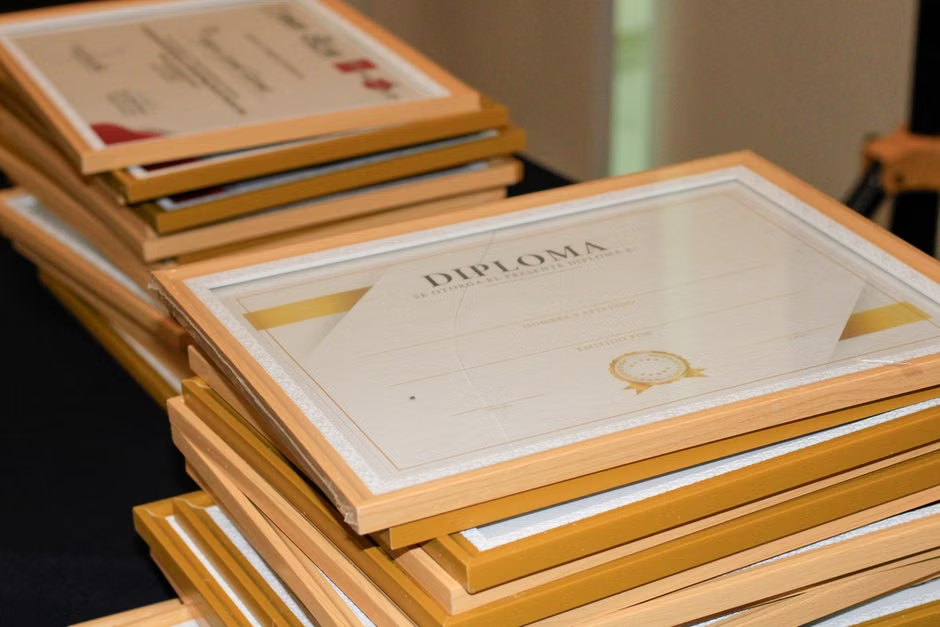
Certification programs in the spa sector are designed to validate a professional’s expertise against established industry standards. These programs typically involve a curriculum of theoretical knowledge and practical training, followed by an assessment or examination. Successful completion grants a certification, which serves as a recognized credential affirming competency in a specific area, enhancing trust and professional mobility.
These programs provide a structured pathway for individuals to acquire and demonstrate specialized skills. For example, some certifications focus on specific massage modalities, while others might cover advanced skin care techniques or the safe operation of hydrotherapy equipment. The value of such programs lies in their ability to standardize quality across the industry, offering a benchmark that clients and employers can trust. Many programs also require ongoing education or recertification to ensure professionals remain current with best practices and evolving scientific understanding. For instance, obtaining a Basic Life Support (BLS) certification, often facilitated by organizations like the American Red Cross or American Heart Association, is increasingly recognized as essential for professionals in health and wellness settings, equipping them with critical emergency response skills.
“Standardized professional certification ensures consumer safety and builds trust in the health and wellness industry by validating practitioners’ skills and knowledge against recognized benchmarks.”
What training do you need to be a spa manager?
To become a spa manager, you typically need a blend of industry experience, business acumen, and leadership training. Many managers hold degrees in hospitality, business, or a related field, supplemented by certifications in spa operations, financial management, marketing, and human resources. Practical experience in various spa roles is also crucial for understanding daily operations and staff needs.
A spa manager oversees the entire operation, from staff scheduling and training to inventory management, customer satisfaction, and financial performance. This role often requires strong organizational skills, strategic thinking, and the ability to motivate a diverse team. We consistently observe that effective spa managers possess a unique combination of hospitality expertise and a deep understanding of wellness principles. While an online MBA program can provide a strong foundation in general business management, specialized training in spa operations, facility maintenance, and even project management (akin to a Professional Management Professional, or PMP, approach adapted for our sector) is invaluable. The ability to manage projects effectively, from introducing new services to overseeing renovations, is a key asset in modern spa leadership.
Key Areas of Competency for European Spa Professionals
To truly excel, a spa professional needs a rounded skill set that blends technical expertise with essential soft skills. We believe that continuous 360 training, encompassing all facets of their role, is vital for long-term sector development. Here are some critical areas:
- Balneology and Hydrotherapy: Understanding the therapeutic properties of mineral waters, thermal springs, and various water-based treatments.
- Natural Healing Resources: Knowledge of peloids, medicinal plants, climate therapy, and other local natural assets.
- Client Assessment and Consultation: The ability to accurately assess client needs, contraindications, and recommend appropriate treatments.
- Hygiene and Safety Protocols: Strict adherence to health and safety standards, particularly crucial in a shared facility environment.
- Communication and Customer Service: Exemplary interpersonal skills to provide a welcoming, supportive, and professional client experience.
- Ethical Practice and Professionalism: Upholding the highest ethical standards, maintaining confidentiality, and respecting client boundaries.
- Wellness Modalities: Proficiency in specific treatments such as massage, esthetics, body wraps, and specialized therapies.
The Nuance of Specialization: When Alternatives Matter
While many roles in a spa fall under general wellness and beauty, certain conditions or client needs might require specialized medical attention. Understanding these boundaries isn’t just about professional integrity; it’s about client safety and the credibility of the entire health resort sector. We advocate for spas as custodians of nature, but also recognize their limits.
For instance, while a spa might offer therapeutic massage for muscle relaxation, a client with a severe injury or chronic pain might need a referral to a physiotherapist or medical doctor. Similarly, complex skin conditions or allergies should be assessed by a dermatologist rather than solely by an esthetician. Board-certified medical providers recommend a collaborative approach, where spa professionals are trained to identify situations requiring medical intervention and to recommend appropriate external alternatives. This willingness to recommend outside expertise demonstrates a strong commitment to client well-being and builds immense trust, reinforcing our commitment to credible and future-ready practices. For example, the Mayo Clinic provides extensive resources on when to seek professional medical advice for various conditions, which can guide spa professionals in making appropriate referrals.
“While wellness professionals contribute significantly to health, knowing when to refer clients to licensed medical practitioners for diagnosis and treatment is paramount for client safety and ethical practice.”

What are the best certifications to have as an esthetician?
For an esthetician, highly valued certifications typically include advanced skincare techniques like chemical peels, microdermabrasion, and laser hair removal, alongside specialized training in facial massage and product knowledge. Certifications from recognized cosmetology boards and specific brand-training programs also enhance credibility and demonstrate a commitment to continued professional development and expertise in current beauty trends.
Beyond basic licensing, specialized esthetician certifications demonstrate a deeper level of expertise and can open doors to more advanced treatments and higher-paying roles. These often focus on specific technologies or advanced practices, such as dermaplaning, microneedling, or various forms of light therapy. As spa operators, we see the value in estheticians who not only have a strong foundational education but also actively pursue certifications that align with evolving client demands and industry innovations. It signals a dedication to staying current and providing top-tier service.
What to Expect from Professional Development and Certification
Undertaking professional development and certification isn’t a quick fix; it’s an investment in a career. Expect a commitment of time, effort, and often financial resources. The timeline can vary significantly, from short courses lasting a few days for specific skill updates to comprehensive programs spanning months or even years for advanced qualifications.
What you’ll gain, however, is substantial. You’ll achieve verified expertise, enhanced marketability, and often, increased earning potential. More importantly, you’ll contribute to the elevated standard of the European spa industry. We see professionals who commit to continuous learning not only advancing their individual careers but also improving the collective reputation of our sector. The knowledge and skills acquired through these programs directly translate into better client outcomes and a more professional environment. It’s a journey of growth, yielding realistic, long-term benefits.
Practical Steps for Advancing Your Spa Career
For individuals looking to build a thriving career within the European spa and health resort industry, a strategic approach to professional development is key. Here are some practical steps we recommend:
- Identify Your Niche: Determine whether your passion lies in balneotherapy, esthetics, management, or another specialized area to focus your training.
- Seek Accredited Training: Always choose programs and institutions recognized by relevant industry bodies or national authorities to ensure your qualifications are respected.
- Obtain Essential Certifications: Beyond core licenses, pursue certifications in areas like Basic Life Support (BLS), specific treatment modalities, or spa software systems.
- Gain Practical Experience: Look for internships, apprenticeships, or entry-level positions to apply your knowledge in real-world settings and build a professional network.
- Prioritize Continuous Learning: The industry evolves. Regularly attend workshops, seminars, and conferences, and consider advanced certifications to stay current.
- Network Actively: Connect with other professionals, participate in industry associations, and leverage platforms like ESPA EHV to stay informed about opportunities and best practices.
The journey to becoming a highly competent and respected spa professional is dynamic. It requires dedication, a commitment to learning, and a passion for holistic well-being. By embracing robust training and certification pathways, professionals not only elevate their own careers but also reinforce the reputation of Europe’s health and wellness resorts as beacons of quality and sustainable practice. We believe that by investing in our people, we ensure that our unique spa heritage continues to flourish, connecting health, tourism, and natural resources for generations to come.