
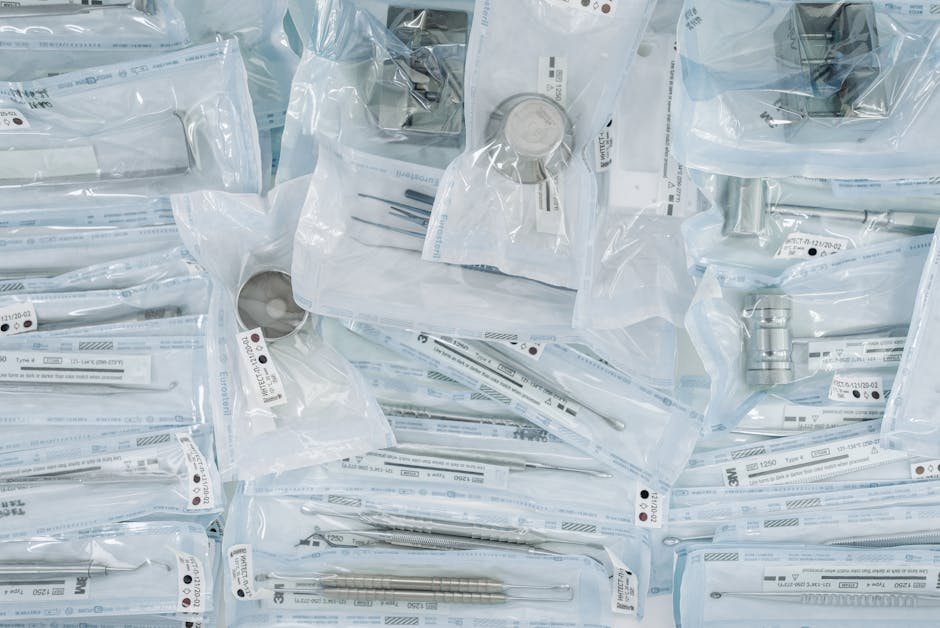
Ensuring the safety of guests and staff in thermal facilities isn’t just a regulatory requirement; it’s a fundamental pillar of trust and quality for any European spa or health resort. The unique environments of thermal facilities – with their hot springs, saunas, steam rooms, and hydrotherapy pools – present distinct operational challenges that demand rigorous adherence to safety protocols. Without clear, consistent standards, operators risk not only reputational damage but also serious incidents that could compromise the well-being of those who seek natural healing resources within their establishments.
For spa and health resort operators, navigating the complex landscape of local, national, and European safety regulations can feel overwhelming. We understand the dedication it takes to maintain exceptional guest experiences while upholding the highest levels of operational integrity. That’s why ESPA EHV, as a European umbrella organization, advocates for and facilitates expertise among our members, ensuring that natural remedies using mineral water, climate, and landscape remain both credible and future-ready.
Our commitment extends to fostering environments where well-being flourishes safely. We strive to preserve and develop the tradition of the spa and health resort in Europe, and a core part of that mission involves providing clear guidance on critical areas such as safety. This network fosters best practices and innovation, assisting in maintaining the unique spa heritage in Europe for future generations, starting with robust safety frameworks. We also offer resources and support to help members navigate these critical areas, including valuable insights accessible through our home page.
What are Safety Protocols in Thermal Facilities?
Safety protocols in thermal facilities are established guidelines and procedures designed to minimize risks, prevent accidents, and ensure the health and well-being of guests and staff within environments utilizing natural healing resources like thermal springs, steam, and specialized treatments. These protocols cover everything from water quality and temperature regulation to emergency response and staff training.
At their core, these protocols address the specific hazards inherent to thermal environments. This isn’t just about general workplace safety; it’s about the unique interplay of heat, humidity, water, and often, specialized equipment. For instance, the World Health Organization (WHO) emphasizes the importance of managing water quality in recreational waters to prevent infections and ensure public health, a principle we actively promote among our member organizations. Managing these elements effectively requires a proactive approach, where potential issues are identified and mitigated before they can escalate.
How do you ensure compliance with safety protocols?
Ensuring compliance involves establishing clear, documented procedures, regular staff training, consistent monitoring, and periodic audits to verify that all operational practices meet established safety standards and regulatory requirements. It requires a continuous cycle of planning, implementation, evaluation, and improvement.
In our experience, robust compliance begins with a comprehensive safety management system. This system should clearly define roles, responsibilities, and accountability across all levels of operation. Regular training sessions are vital, ensuring that every team member, from front desk staff to therapists and maintenance crews, understands their role in upholding safety. We’ve seen firsthand in various European spa destinations, like those in Czechia and Hungary, that effective training can significantly reduce incidents. Furthermore, maintaining detailed records of training, equipment maintenance, and incident reports creates a transparent and auditable trail, which is crucial for demonstrating due diligence.
What are the 4 C’s of safety?
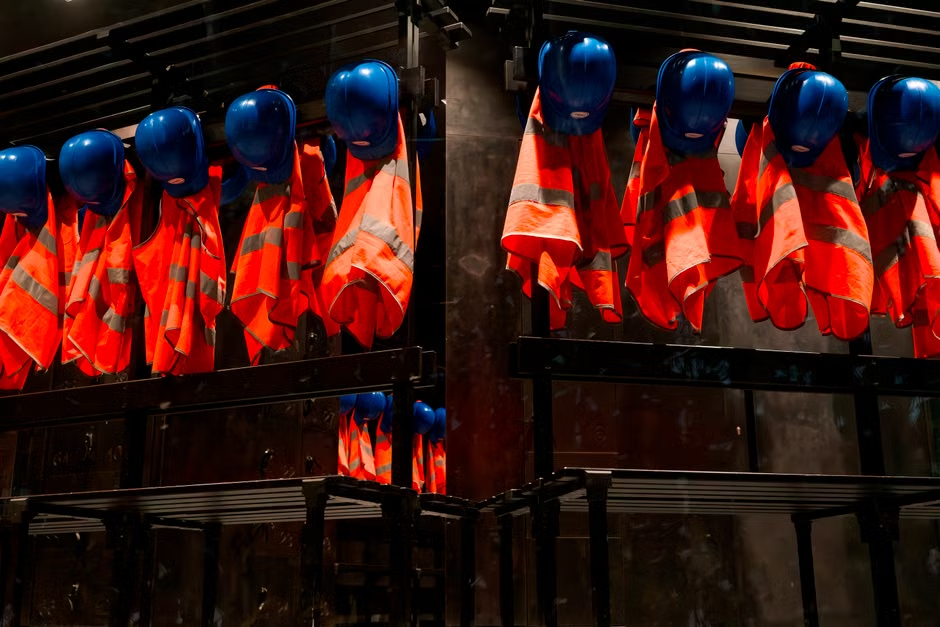
While often applied broadly, the “4 C’s of safety” – Control, Competence, Cooperation, and Communication – provide an excellent framework for thermal facility operators to manage risks effectively. These principles guide our approach to fostering secure and healthy environments for guests and staff alike, ensuring every aspect of operations contributes to overall safety.
Let’s elaborate on how these apply specifically within a spa and health resort context:
- Control: This refers to implementing and enforcing robust systems and procedures to manage risks. For a thermal facility, this means controlling water temperatures, chemical levels, air quality, and access to potentially hazardous areas. It also includes having clear emergency protocols and ensuring equipment is regularly inspected and maintained.
- Competence: Every member of your team needs the right skills, knowledge, and experience to perform their duties safely. This means investing in ongoing training for balneology specialists, technicians, and even reception staff on relevant safety measures. Board-certified providers and skilled operators are crucial for delivering evidence-based wellness safely.
- Cooperation: Safety isn’t a solo act; it requires a collective effort. Encouraging a culture where staff feel empowered to report concerns, share observations, and work together to resolve issues is paramount. This collaborative approach extends to working with external experts and regulatory bodies.
- Communication: Clear, concise, and timely communication of safety information is essential. This includes informing guests of safety rules, posting hazard warnings, and ensuring staff have access to all necessary safety documentation and updates. Good communication also means actively listening to feedback and concerns.
“Effective risk management in aquatic environments, including thermal spas, hinges on a multi-barrier approach that incorporates design, operational control, and ongoing monitoring to protect public health.”
Key Areas for Safety Focus in Thermal Environments
Maintaining safety in a thermal facility involves a multifaceted approach, addressing specific risks inherent to these unique settings. Operators must be vigilant across several critical domains to protect both guests and staff. From our decades of collective experience, we’ve identified key areas requiring constant attention:
- Water Quality Management: Regular testing for microbial contaminants (e.g., Legionella), pH levels, and disinfectant concentrations in pools, hydrotherapy tubs, and thermal springs.
- Temperature Control: Precise monitoring and regulation of water and air temperatures in saunas, steam rooms, and thermal baths to prevent burns, overheating, or hypothermia.
- Slip and Fall Prevention: Implementing non-slip flooring, clear signage, and prompt cleanup of wet surfaces throughout the facility.
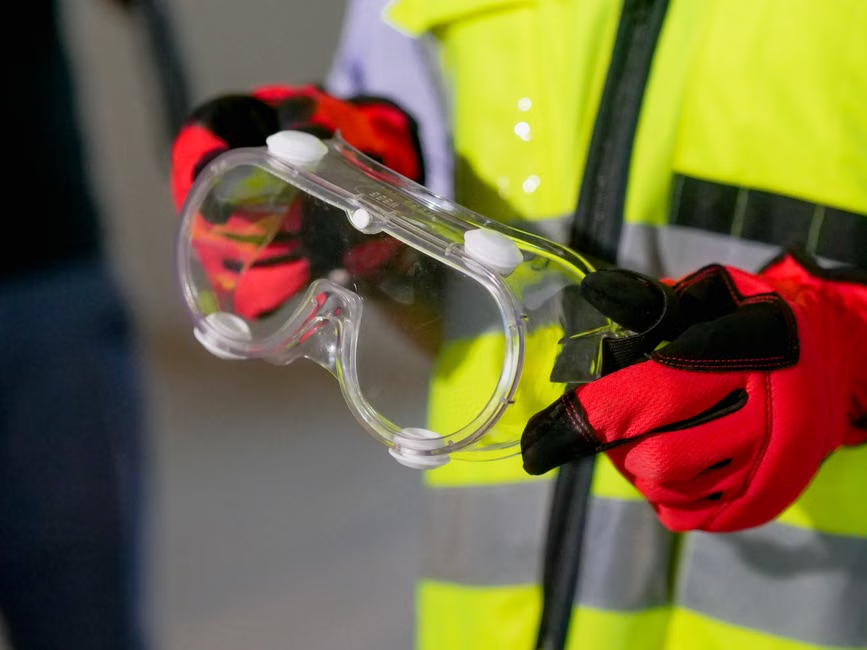
- Chemical Storage and Handling: Safe storage, labeling, and use of cleaning agents, disinfectants, and water treatment chemicals, with appropriate personal protective equipment (PPE).
- Emergency Preparedness: Well-practiced emergency response plans for medical incidents, fires, power outages, and evacuations, with easily accessible first aid and emergency exits.
- Ventilation and Air Quality: Ensuring adequate ventilation in all enclosed thermal areas to prevent the buildup of humidity, harmful gases, or airborne pathogens.
- Staff Training and Certification: Comprehensive training for all staff on safety protocols, first aid, CPR, and the specific operation of thermal equipment.
Beyond Compliance: Considering Broader Safety Needs
While strict adherence to regulations is non-negotiable, true safety leadership in thermal facilities extends beyond mere compliance. It involves a holistic view of well-being, acknowledging that sometimes the best solutions aren’t just about avoiding a fine, but about fostering an environment of genuine care. For instance, sometimes a specific piece of equipment might meet the minimum standard, but a superior alternative could offer enhanced user comfort or reduced energy consumption, aligning with our sustainable wellness tourism goals. We often observe that the spas that become custodians of nature also excel in comprehensive safety because they view their environment as an integrated system, reflecting the principles of ESPA EHV.
This nuanced approach might involve considering accessibility features for guests with mobility challenges even if not mandated, or integrating mental wellness support for staff who operate in high-pressure environments. While our focus is on thermal and natural healing resources, recognizing the value of other wellness practices, even those not directly offered by our members, contributes to a well-rounded understanding of health tourism. This willingness to explore beyond the immediate scope of our services is an E-E-A-T goldmine because it demonstrates a comprehensive, rather than self-serving, understanding of the industry.
“The concept of ‘health’ in wellness tourism extends beyond physical safety to encompass mental and emotional well-being, requiring operators to consider holistic guest experiences.”
What results can spa operators expect from robust safety management?
Implementing and maintaining robust safety management protocols leads to tangible benefits for thermal facilities, including enhanced guest trust, reduced liability risks, improved operational efficiency, and a stronger reputation within the wellness tourism sector. These outcomes materialize over time through consistent effort and commitment.
The immediate result is a safer environment for everyone. Over the medium term (typically 6-12 months), operators can expect a significant reduction in incidents, accidents, and associated costs, such as insurance claims or regulatory penalties. Long-term, facilities known for their exemplary safety standards will likely see increased guest loyalty, positive word-of-mouth, and a stronger competitive edge. This commitment to safety also positions an organization as a leader in sustainable health tourism, aligning with the values that we, at ESPA EHV, passionately advance. Richard Hargreaves, a contributing writer for ESPA EHV, notes how these efforts build long-term sector development.
Practical Steps for Enhancing Safety and Compliance
Proactive engagement with safety protocols is key to operational excellence and guest confidence in thermal facilities. Here are actionable steps operators can take to strengthen their safety and compliance frameworks:
- Conduct Regular Risk Assessments: Systematically identify potential hazards in all areas of your thermal facility and assess their likelihood and severity. Update these assessments periodically, especially after any changes to equipment, services, or regulations.
- Develop Comprehensive Standard Operating Procedures (SOPs): Document clear, step-by-step instructions for all tasks, from water quality testing to emergency response. Ensure these SOPs are accessible to all staff and regularly reviewed.
- Implement a Continuous Training Program: Go beyond initial onboarding. Provide ongoing training and refresher courses on safety protocols, first aid, chemical handling, and customer service, including specific guidance for interacting with guests in thermal environments.
- Foster a Culture of Safety Reporting: Encourage staff to report near misses, unsafe conditions, or potential hazards without fear of reprimand. Use these reports as learning opportunities to prevent future incidents.
- Invest in Modern Technology: Utilize automated monitoring systems for water quality, temperature, and ventilation. Modern technology can provide real-time data, alert staff to deviations, and simplify record-keeping for better oversight.
- Engage with Industry Peers and Associations: Participate in networks like ESPA EHV to share best practices, learn about emerging risks, and stay informed on regulatory changes across Europe. Collective representation through a single European umbrella strengthens our ability to advocate for common interests.
Maintaining exemplary safety protocols isn’t merely about meeting a checklist; it’s about upholding the integrity of the natural healing resources we cherish and ensuring every visitor’s experience is one of pure, unadulterated well-being. By embracing these best practices, thermal facility operators contribute to a future where sustainable health tourism thrives, built on a foundation of trust, expertise, and unwavering commitment to safety. We continue to connect health, tourism, and natural resources, ensuring that our European spa heritage remains vibrant and secure for generations to come.