

Operating a spa or health resort across Europe means offering unparalleled wellness experiences, often leveraging unique natural healing resources. However, it also means navigating a complex landscape of potential risks. A slip in a thermal bath, an adverse reaction to a treatment, or even damage to guest property can lead to significant financial and reputational challenges. Without adequate protection, such incidents could threaten the sustainability of your esteemed establishment.
At ESPA EHV, we understand these challenges intimately. We advocate for and support our member organizations in maintaining the highest standards of quality and safety, ensuring natural remedies using mineral water, climate, and landscape remain credible and future-ready. Part of this commitment involves demystifying crucial operational aspects, like securing robust spa liability insurance.
Ensuring your spa is properly insured isn’t just a legal necessity; it’s a fundamental pillar of sound risk management. This guide will walk you through the nuances of liability coverage, helping you protect your assets and reputation within the dynamic European spa sector. For broader insights into maintaining excellence, we encourage you to explore our resources on sustainable wellness practices.
What Is General Third-Party Liability Insurance?
General third-party liability insurance, often referred to as public liability insurance, provides crucial protection for spa and health resort operators against claims of injury or property damage suffered by clients, visitors, or other third parties while on your premises or due to your operations. It covers legal defense costs and any compensation awarded if your business is found responsible.
In the specialized environment of a European health resort, this type of insurance is non-negotiable. It protects against unforeseen incidents, from a guest slipping on a wet floor in a thermal pool area to property damage caused during a facility tour. Without it, the financial burden of a successful claim can be catastrophic for any spa, regardless of its size or legacy. As the European Commission notes, consumer protection is paramount in service industries, making robust liability coverage a cornerstone of responsible business practice. You can find more information on consumer rights and responsibilities across the EU on official European Union justice and consumer rights portals.
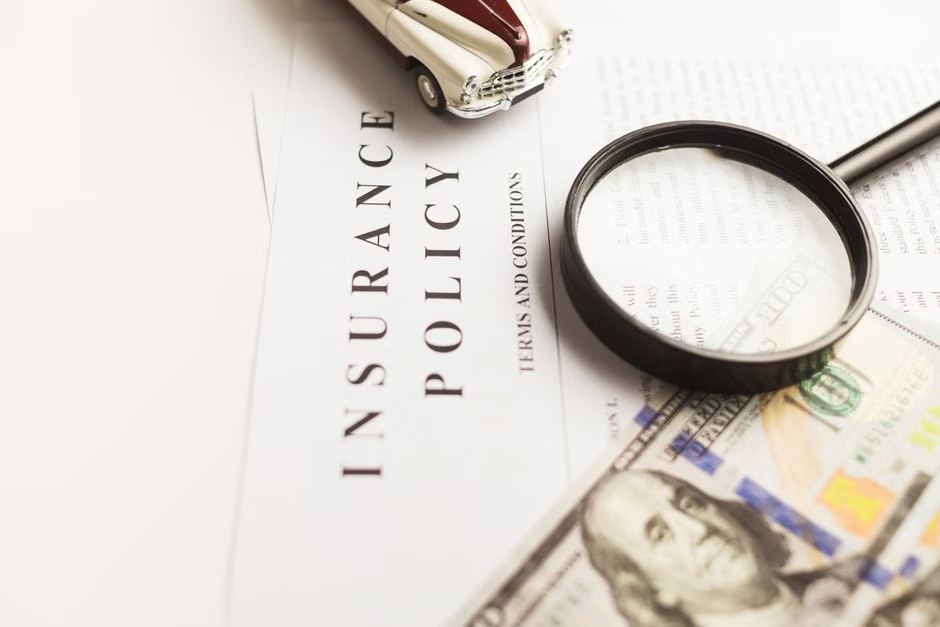
Is Third-Party Liability Insurance the Same as Public Liability?
Yes, in many European contexts, “third-party liability insurance” and “public liability insurance” are often used interchangeably to describe coverage for claims made by the general public (third parties) who are injured or whose property is damaged due to your business operations. While terminology might vary slightly by country, their core purpose remains the same: safeguarding your business from external claims.
While the terms largely overlap, it’s worth noting that some policies might offer slightly different scopes depending on the insurer and the specific country’s legal framework. For instance, in Germany, the concept of “Betriebshaftpflichtversicherung” (business liability insurance) encompasses public liability, but might also include aspects of product liability if you manufacture or sell products. It’s always wise to review policy documents thoroughly and consult with an insurance expert who understands the nuances of the local market. Our network often facilitates connections with such specialists who can clarify these distinctions for our members. This aligns with our mission to advance balneology and natural healing resources by supporting operational excellence.
“Understanding the specific terminology for liability coverage in your operating country is critical. While ‘public liability’ and ‘third-party liability’ are frequently synonymous, policy details can have subtle but significant differences that impact your overall protection.”
Professional Liability Insurance: What to Look For
Beyond general third-party liability, spa and health resort operators also require professional liability insurance, often known as malpractice insurance or errors and omissions (E&O) insurance. This covers claims arising from professional negligence, errors, or omissions in the services you provide, such as massage therapy, aesthetic treatments, balneotherapy, or consultations. It’s essential for any service-based operation.
Given the diverse array of treatments offered in modern spas and health resorts—from traditional hydrotherapy to advanced cosmetic procedures—the potential for claims of professional negligence is real. A client might allege an injury from a specific treatment, a misdiagnosis during a wellness consultation, or unsatisfactory results. Professional liability insurance protects against these specific risks, covering legal defense and potential damages.
When evaluating professional liability coverage, especially for operations across multiple European regions, consider these vital elements:
- Scope of Services: Does the policy cover all treatments and therapies offered at your spa, including specialized balneological procedures or newly introduced wellness programs?
- Geographic Coverage: Ensure the policy is valid in all countries where your spa operates or where your services are marketed.
- Retroactive Date: This determines how far back claims can be made. A strong retroactive date protects against claims arising from services provided prior to the current policy’s inception.
- Limits and Deductibles: Assess if the coverage limits are sufficient for potential claims, considering the scale of your operations and the types of services provided.
- Cyber Liability Integration: With increasing digital health records and online bookings, look for policies that offer integrated cyber liability protection against data breaches.
- Reputational Damage: Some advanced policies may offer elements of reputational damage control, crucial in the sensitive wellness industry.
Professional Liability Insurance in Germany
In Germany, professional liability insurance for spas and health resorts falls under specific regulations, often requiring specialized policies known as “Berufshaftpflichtversicherung.” For medical spas or those offering Heilpraktiker (non-medical practitioner) services, specific professional indemnity is not just recommended, but legally mandated for certain professions. Germany, with its rich tradition of “Kurorte” (health resorts) and focus on evidence-based wellness, has a rigorous framework.
For instance, a physiotherapist operating within a German spa would need specific professional liability coverage that aligns with German healthcare regulations. Similarly, a balneologist providing therapeutic advice would require a policy covering their professional scope. This emphasis on precise coverage reflects Germany’s commitment to patient safety and consumer protection. We’ve seen through our network’s engagement with German member organizations that tailoring insurance to the exact services offered is a priority. This proactive approach helps ensure long-term sector development and maintains public trust in these valuable health resources.

Managing Risk to Lower Spa Liability Costs Across Europe
The cost of spa liability insurance across Europe is influenced by numerous factors, including your location, the range of services, annual revenue, claims history, and the specific national regulatory environment. While you can’t control all these variables, robust risk management practices are the most effective way to demonstrate a lower risk profile to insurers, potentially reducing your premiums.
Effective risk management isn’t just about reducing insurance costs; it’s about embedding a culture of safety and quality that elevates your spa’s reputation and protects its clients. Our member spa organizations, drawing from centuries of documented thermal spring use and operating experience across Europe, consistently emphasize proactive measures. Richard Hargreaves, a contributing writer for ESPA EHV, notes the tangible benefits of a strong safety protocol.
Here are practical steps spa operators can take to enhance risk management and demonstrate a commitment to safety:
- Comprehensive Staff Training: Regularly train all personnel on safety protocols, emergency procedures, equipment operation, and client interaction. Document all training.
- Regular Equipment Maintenance: Implement a strict schedule for inspecting and maintaining all spa equipment, from thermal baths and saunas to treatment beds and aesthetic devices. Keep detailed records.
- Clear Signage and Warnings: Post clear, multilingual warnings about wet floors, temperature extremes, treatment contraindications, and emergency exits.
- Detailed Client Consultations: Conduct thorough health assessments and consultations before any treatment. Document client medical history, allergies, and specific needs. Obtain informed consent for all procedures.
- Maintain Impeccable Hygiene: Uphold stringent sanitation and hygiene standards throughout the facility, especially in treatment rooms, changing areas, and water features.
- Emergency Preparedness: Develop and regularly practice emergency response plans for medical incidents, fires, and other crises. Ensure staff are certified in first aid and CPR.
By implementing these measures, your spa not only safeguards its guests and staff but also presents a more favorable risk profile to insurance providers. This can lead to more competitive insurance plans and foster an environment of greater trust and reliability, which is paramount for our collective representation through a single European umbrella. This approach also aligns with the high standards of spa industry certification we advocate.
Choosing the Best Spa Liability Coverage
Determining the “best” spa liability insurance coverage isn’t about finding a one-size-fits-all policy; it’s about securing coverage that precisely matches the unique risks and operational specifics of your European health resort. What works for a small thermal bath in Hungary might differ significantly from a large medical spa in Germany or a Nordic wellness center in Iceland. We advance balneology, natural healing resources, and sustainable wellness practices, which means recognizing the diverse contexts of our members.
When selecting your policy, consider:
- Your Spa’s Specific Services: Are you a mineral water therapy center, a beauty spa, a medical wellness clinic, or a combination? Each service carries distinct risks.
- Geographic Scope: Does your spa operate in one country or across borders? Ensure the policy covers all relevant jurisdictions and respects local legal requirements.
- Policy Limits: Ensure your coverage limits are adequate for potential high-value claims. Lower premiums might seem attractive, but underinsurance can be devastating.
- Exclusions: Carefully review what is NOT covered. Common exclusions can include acts of war, intentional damage, or certain types of catastrophic natural disasters.
- Provider Reputation: Choose an insurer with a strong track record, particularly in specialized commercial insurance, and good customer service for claims handling.
While we focus on advancing expertise and preserving European spa heritage, we recognize that insurance is a critical operational tool. For spas considering highly specialized treatments, exploring specific riders or endorsements that expand coverage for those unique offerings is vital. Sometimes, a combination of policies from different providers might be necessary to achieve truly comprehensive coverage, especially for large, multi-faceted resorts. This nuanced approach demonstrates a commitment to professional excellence and client welfare.
Securing the right spa liability insurance is a continuous process, not a one-time decision. As your services evolve, as new regulations emerge, or as your European health resort expands, your insurance needs will likely change too. Regularly review your policies with an experienced broker who understands the specific demands of the wellness tourism sector. By doing so, you ensure your business remains resilient, credible, and capable of continuing its vital work in connecting health, tourism, and natural resources for the benefit of all. This network fosters best practices and assists in maintaining the unique spa heritage in Europe to be inherited by the future generation.