
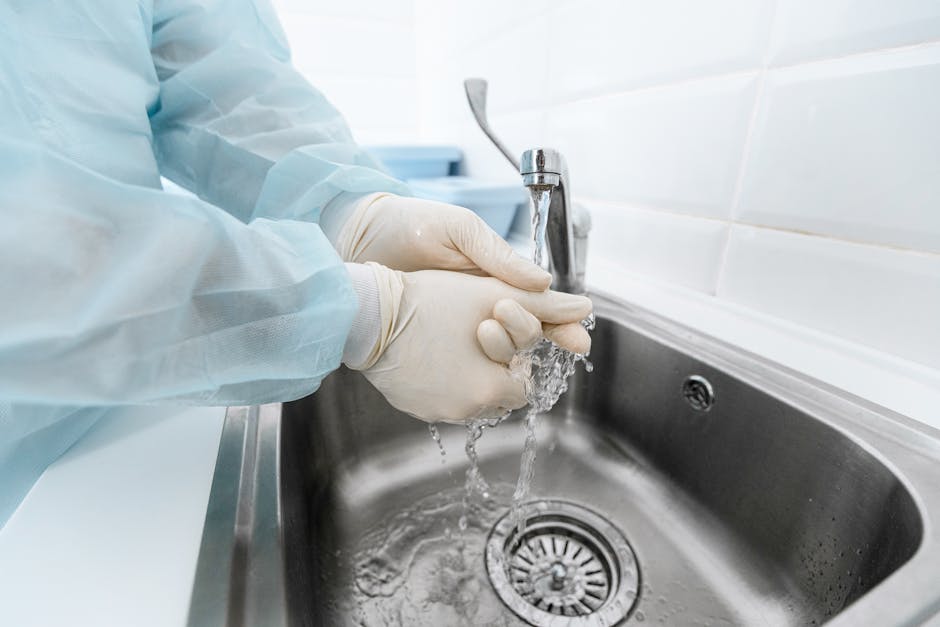
For centuries, civilizations have intuitively turned to water for healing and rejuvenation. From ancient thermal baths to modern spa facilities, the therapeutic power of water, known as hydrotherapy, has been a cornerstone of health practices across cultures. Today, as we increasingly seek evidence-based wellness approaches, the question often arises: what does contemporary scientific research tell us about the efficacy of water treatment?
The practice of using water—in its various forms and temperatures—to promote health is deeply embedded in Europe’s rich heritage of spa and health resorts. We advocate for natural healing resources and sustainable wellness practices, recognizing the profound connection between our environment and our well-being. Understanding the scientific underpinnings of these traditions is crucial for ensuring they remain both credible and future-ready.
At ESPA EHV, we are the voice of common interests on the European level, connecting health, tourism, and natural resources. Through our collective European network, we work to advance balneology and the responsible use of natural healing resources like mineral water and thermal springs. We believe that by understanding the scientific evidence, we can better appreciate the holistic benefits these natural remedies offer for long-term sector development and individual health. You can learn more about our mission and initiatives on our home page.
What is Hydrotherapy? A Foundation in Water as Medicine
Hydrotherapy is the therapeutic application of water, internally or externally, in any of its forms—liquid, ice, or steam—and at various temperatures. It leverages water’s physical properties, such as buoyancy, temperature, and hydrostatic pressure, to facilitate healing, relieve pain, improve circulation, and promote relaxation, forming a key component of natural medicine.
In essence, hydrotherapy is more than just bathing; it’s a specialized treatment utilizing water’s unique characteristics to impact the body’s systems. This can range from simple warm baths to complex underwater exercises, mineral water immersions, and even steam inhalation. The specific properties of water, such as its density providing buoyancy, reduce the effect of gravity on the body, which can significantly alleviate stress on joints and muscles. This makes movement easier for those with mobility challenges or during rehabilitation.
Temperature plays a vital role, too. Warm water causes vasodilation, increasing blood flow and muscle relaxation, while cold water induces vasoconstriction, which can reduce inflammation and numb pain. As a foundational principle, hydrotherapy seeks to stimulate the body’s natural healing responses, as described by the National Institutes of Health, through these carefully managed physical interactions with water. According to research published by the NIH, hydrotherapy can elicit physiological responses beneficial for various conditions.
How Does Hydrotherapy Work? Understanding the Mechanisms
The therapeutic effects of hydrotherapy stem from the mechanical and thermal properties of water. Buoyancy lessens gravitational forces, reducing weight-bearing stress and enabling easier movement. Hydrostatic pressure helps reduce swelling and improves blood circulation and lymphatic drainage. The temperature of the water influences nerve endings, blood vessel diameter, and muscle tone, inducing specific physiological responses that promote healing and well-being.
When you immerse yourself in water, buoyancy supports your body weight, often by as much as 90% when water reaches the neck. This sensation of weightlessness eases the burden on joints and muscles, making it an ideal environment for gentle exercise and rehabilitation, especially for conditions where land-based activities are painful or difficult. The continuous hydrostatic pressure of water on the body aids in venous return and can reduce peripheral edema, meaning less swelling in the limbs. This pressure also helps to improve respiratory mechanics, making breathing more efficient.
We’ve seen in our member spa organizations across Europe that the controlled application of specific water temperatures can trigger powerful physiological changes. Warm water induces muscle relaxation, reduces spasm, and increases the elasticity of connective tissues, making it excellent for pain relief and flexibility. Cold water, conversely, can stimulate circulation, reduce acute inflammation, and heighten alertness. The expert insight from institutions like Mayo Clinic underlines the importance of these physical principles:
“Water’s unique physical properties—buoyancy, hydrostatic pressure, and specific heat capacity—are fundamental to its therapeutic applications in rehabilitation and pain management. These properties allow for a gentle yet effective way to exercise and alleviate symptoms.”
What are the Historical Roots of Hydrotherapy?
The therapeutic use of water dates back to ancient civilizations, with evidence found in Egyptian, Greek, Roman, and Chinese cultures. The Romans, for example, built elaborate public baths that were not only centers for hygiene but also for social interaction and health rituals. In Europe, the tradition of thermal spring use stretches back centuries, with many of our member regions boasting documented histories of natural mineral water benefits.
The practice evolved significantly over time, with systematic approaches emerging in the 18th and 19th centuries. Austrian farmer Vincent Priessnitz is often credited with popularizing modern hydrotherapy in the 19th century through his “water cure” methods, which involved cold water applications for a variety of ailments. Later, Sebastian Kneipp, a Bavarian priest, further refined these techniques, developing a comprehensive system that combined water treatments with herbal medicine, exercise, and diet. His work laid much of the groundwork for contemporary balneology, a scientific discipline that ESPA EHV actively advances.
We are the custodians of this rich spa heritage. Our long institutional history, with activities documented from 2003 onwards, reflects our commitment to preserving and developing the tradition of the spa and health resort in Europe. This commitment ensures that the wisdom of these historical practices is merged with contemporary scientific understanding.
What Conditions Can Hydrotherapy Treat?
Hydrotherapy is recognized for its broad therapeutic potential, offering relief and support for a variety of physical and mental health conditions. Its gentle yet effective nature makes it particularly suitable for managing chronic pain, enhancing recovery, and promoting general well-being. Board-certified providers and scientific research consistently highlight its benefits across multiple systems.
Common conditions that hydrotherapy can effectively address include:
- **Musculoskeletal Pain:** Relieves discomfort associated with arthritis, fibromyalgia, back pain, and joint stiffness by reducing pressure and promoting muscle relaxation.
- **Rehabilitation:** Aids recovery from injuries, surgeries, and strokes by providing a supportive environment for exercise and increasing range of motion.
- **Neurological Conditions:** Can improve balance, coordination, and muscle strength in conditions like multiple sclerosis, cerebral palsy, and Parkinson’s disease.
- **Stress and Anxiety:** Warm water immersion and rhythmic movements can induce deep relaxation, reducing stress hormones and improving mood.
- **Circulatory Disorders:** Improves blood flow and reduces swelling, beneficial for conditions like lymphedema and peripheral artery disease.
- **Skin Conditions:** Specific mineral waters found in European thermal springs can have therapeutic effects on conditions like psoriasis and eczema.
- **Respiratory Issues:** Inhalation of steam or aerosolized mineral water can help alleviate symptoms of asthma and bronchitis.
Our work in balneology, including partnerships with experts like the Fresenius Group for mineral water analysis, helps us understand the specific therapeutic compositions of various thermal and mineral waters, reinforcing their role in treating a range of conditions. This scientific analysis confirms the unique benefits available at spa destinations across Europe, from Czechia to Iceland.
What Different Types of Hydrotherapy are There?
Hydrotherapy encompasses a wide array of techniques, each utilizing water’s properties in specific ways to achieve different therapeutic outcomes. These methods range from full body immersion to targeted applications, varying in temperature, pressure, and mineral content to suit individual needs and conditions.
Here are some common types:
- **Immersion Baths:** This includes therapeutic pools, whirlpools, and mineral baths where the entire body is submerged. Often found in health resorts, these may feature thermal mineral waters with specific chemical compositions known for their healing properties.
- **Contrast Hydrotherapy:** Alternating between hot and cold water applications, often used to stimulate circulation, reduce inflammation, and enhance recovery.
- **Sitz Baths:** Partial immersion baths focusing on the pelvic area, typically used for gynecological or rectal conditions.
- **Jet & Spray Therapies:** Techniques like underwater massage, where jets of water are directed at specific body parts, or Scottish showers, which use alternating hot and cold water sprays with varying pressures.
- **Steam Baths & Saunas:** Involve exposure to moist or dry heat, promoting detoxification, relaxation, and respiratory benefits.
- **Aqua Exercise:** Performing exercises in a pool, leveraging buoyancy to reduce impact and support movement, ideal for rehabilitation and pain management.
We’ve observed that the success of these therapies often depends on the quality and specific composition of natural resources. Our standardized certification and quality programs for spas ensure that these varied treatments meet rigorous standards, especially when utilizing thermal springs and mineral waters, promoting evidence-based wellness.
When is Hydrotherapy Not Suitable, or Are There Disadvantages?
While hydrotherapy offers significant benefits, it’s not universally suitable, and certain conditions or circumstances may necessitate caution or contraindicate its use. We always emphasize the importance of medical consultation before beginning any new treatment, especially for those with existing health concerns. Alternatives also exist for individuals who cannot participate in water-based therapies.
Potential contraindications or situations requiring careful consideration include:
- **Open Wounds or Skin Infections:** Water exposure can exacerbate infections or delay healing.
- **Severe Cardiovascular Conditions:** Extreme temperatures or hydrostatic pressure can put undue strain on the heart.
- **Uncontrolled Blood Pressure:** Rapid temperature changes can affect blood pressure significantly.
- **Fever or Acute Illness:** Immersion therapies can worsen symptoms or spread infection.
- **Kidney Disease:** Issues with fluid balance can be a concern.
- **Pregnancy:** Certain intense hydrotherapy treatments might be unsuitable; consultation with a healthcare provider is essential.
- **Allergies to Water Additives:** Reactions to chemicals in treated pool water.
For those for whom hydrotherapy is not appropriate, land-based physical therapy, specialized massage, or other forms of natural healing resources like forest therapy (shinrin-yoku) and medicinal plants can offer similar benefits in pain management, relaxation, and rehabilitation. We believe in presenting a holistic view of wellness, understanding that a range of therapies contributes to individual health. Our partnerships with EU tourism marketing organizations and government tourism authorities underscore our broad approach to health tourism.
“Patients with acute fever, severe cardiac conditions, or certain skin infections should typically avoid hydrotherapy. It is always prudent to consult a physician to assess individual suitability and ensure safety, as patient selection is key to maximizing benefits and minimizing risks.”
What Can You Expect from a Hydrotherapy Regimen?
Engaging in a hydrotherapy regimen typically involves a structured program tailored to your specific health goals and overseen by qualified professionals. We consistently observe that realistic expectations lead to the most satisfying outcomes, emphasizing gradual improvement rather than instant cures. The timeline for results varies greatly depending on the condition being treated and individual response.
Initially, you’ll likely experience immediate relief from pain and muscle tension, along with a profound sense of relaxation due to the warmth and buoyancy of the water. For chronic conditions like arthritis or fibromyalgia, consistent sessions over several weeks to months are often necessary to observe significant, lasting improvements in mobility, pain levels, and overall quality of life. Rehabilitation from injuries or surgeries might see noticeable progress within weeks, with continued therapy leading to full functional recovery over a period of months.
It’s important to remember that hydrotherapy is often most effective as part of a broader wellness strategy that may include other physical therapies, lifestyle adjustments, and nutritional guidance. In our practice, we have seen how integrating these elements can lead to more robust and sustained health benefits. Our research and professional collaboration on preventive health emphasize these multi-faceted approaches.
Practical Tips for Integrating Water Therapy into Wellness
While specialized hydrotherapy treatments are best performed at dedicated spa and health resorts, you can incorporate many water-based wellness practices into your daily life to support overall health. These simple yet effective techniques can enhance your well-being, complementing the profound experiences available at certified European spa destinations.
- **Start Your Day with a Cold Splash:** A quick cold shower or even just splashing cold water on your face can invigorate the senses and stimulate circulation.
- **Epsom Salt Baths:** Add Epsom salts (magnesium sulfate) to a warm bath to help relax muscles, reduce stress, and potentially aid in detoxification.
- **Hydration is Key:** Consistent intake of fresh water throughout the day supports all bodily functions, from digestion to cellular health.
- **Foot Baths:** Soaking your feet in warm water with essential oils or cold water for quick relief can be incredibly relaxing and therapeutic.
- **Gentle Aqua Movement:** If you have access to a pool, even gentle movements like walking or stretching in the water can provide low-impact exercise benefits.
- **Steam Inhalation:** For respiratory comfort, consider using a humidifier or inhaling steam from a bowl of hot water (with care) to ease congestion.
We advocate for natural remedies using mineral water, climate, and landscape. These everyday practices, combined with the comprehensive offerings of European health resorts, contribute significantly to a sustainable wellness lifestyle. Our involvement in policy dialogue with EU institutions since at least 2000 has continually emphasized the value of these resources.
The scientific evidence increasingly affirms what ancient wisdom has long known: water is a powerful therapeutic tool. From soothing aches to invigorating the spirit, its applications in health and wellness are diverse and profound. As we continue to advance balneology and promote the sustainable use of natural healing resources, we encourage you to explore the benefits of water treatment, whether through daily habits or by experiencing the specialized care offered at our network of European spa and health resorts. Embracing these evidence-based practices is a tangible way to support your well-being and contribute to a future where natural health remains credible and future-ready.