
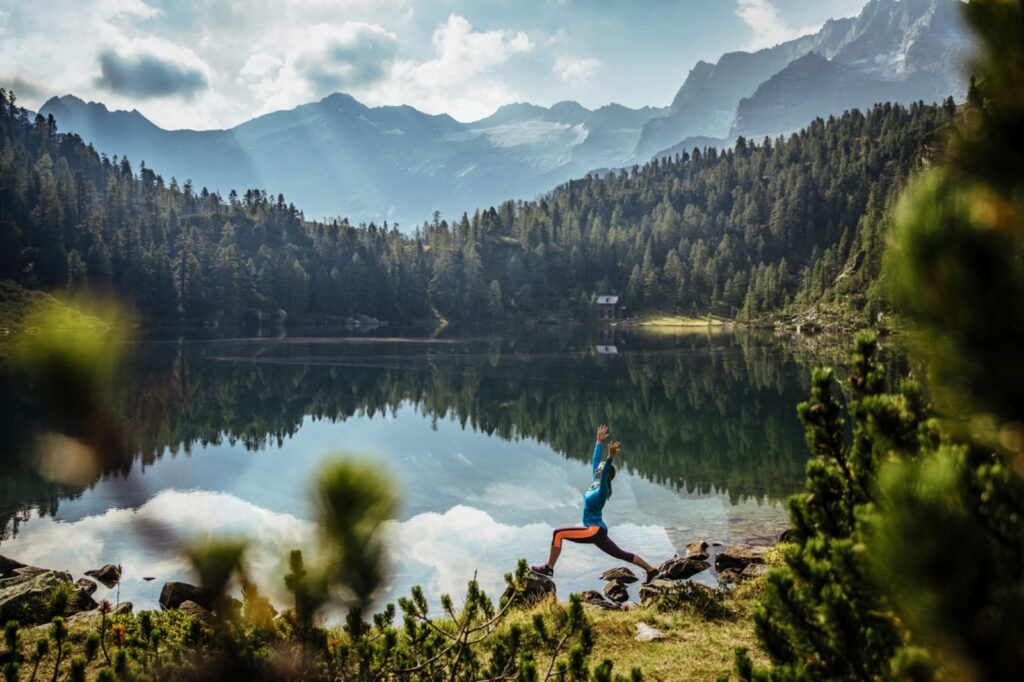
Sustainable health tourism involves using natural healing resources such as thermal springs, forests, and mineral-rich peloids and is a combination of wellness and eco-preservation. In Europe and other parts of the world, spa resorts attract millions annually with a revenue of over 20 billion that encourages low impact tourism that rejuvenates both the scenery and the tourism industry. The model focuses more on regeneration rather than exploitation- spas as custodians of nature. Capitalize on these resources and have long-term tourism success.
Leveraging Thermal Waters and Spas
Hot springs such as those in the Blue Lagoon in Iceland or Heviz in Hungary are rich in minerals that relieve arthritis and skin conditions with h centuries of experience. Sustainable spas filter and recycle water, reducing depletion with hydrotherapy circuits. Visitors get to sink in silica-filled pools, which lowers stress hormones by 30%. The eco-labels such as EU Ecolabel are certified by the operators, which guarantees low-chemical treatments. Through revenue, spring protection is made, which makes self-sustaining cycles.
Harnessing Forest and Mountain Therapies
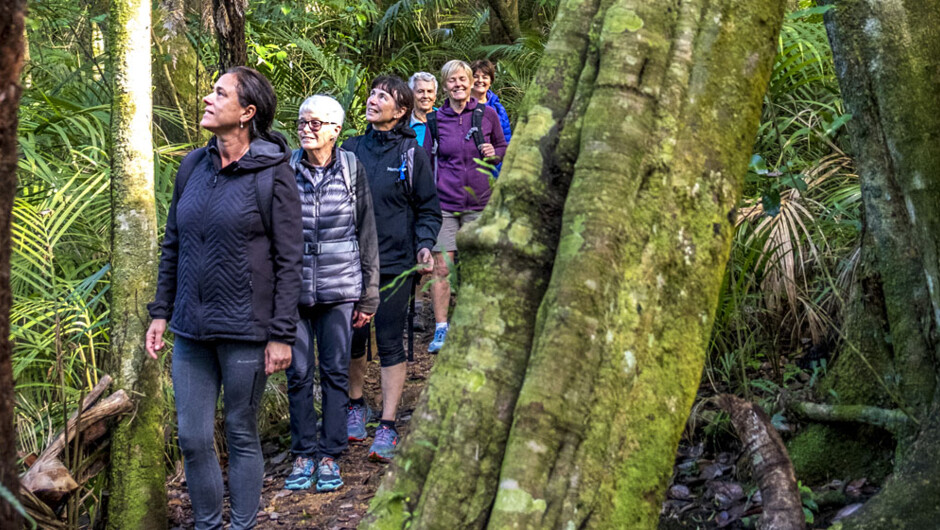
Alpine forests offer shinrin-yoku (forest bathing) which reduces cortisol through phytoncides (volatile compounds that enhance immunity). The walks in Austria, Salzburg, and Slovenia, Triglav trails combine hikes with breathwork, which appeals to eco-conscious travellers. The sustainable practices only allow groups of 10, keeping trails by leaving no trace commitments. Accommodations are made with local timber; profits replenish biodiversity hotspots, which proves that nature heals the body and habitat.
Utilizing Medicinal Plants and Herbs
Spa resorts have herbal gardens, which grow lavender, arnica, and chamomile to be used as teas, baths, and massages. The Băile Herculane in Romania is a combination of ancient peloids (healing muds) and plant extracts to make anti-inflammatory wraps. Green is the new black: Organic agriculture does not use pesticides; waste is composted into the earth. On ethical tours, guests are taught how to forage, which helps create value in the appreciation of curbing overharvesting. Wild stands are safeguarded by economic incentives using community cooperatives.
Integrating Waterfalls and Climate Resources
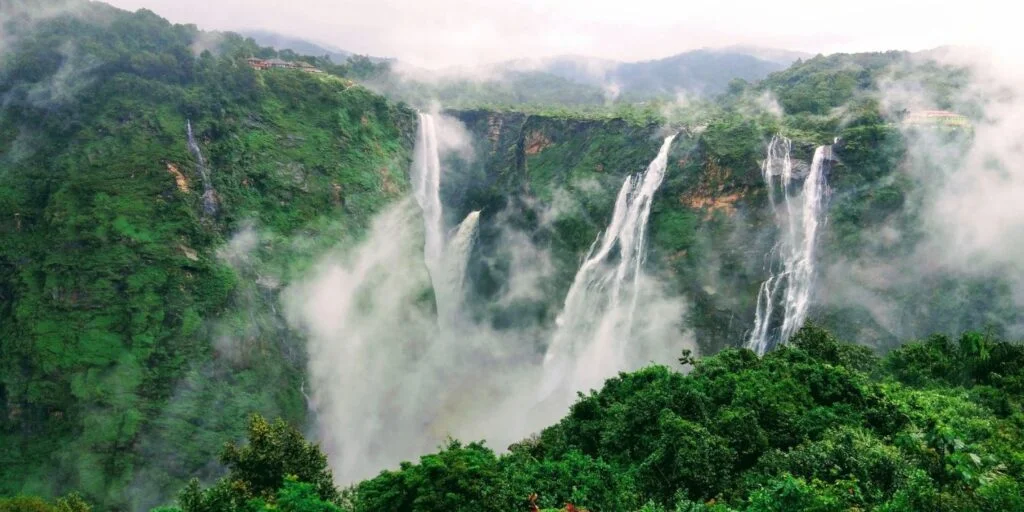
The fjords of Norway or the Alps of Italy have waterfall mist therapy that removes airway allergies through the use of negative ions. Small-volume access roads avoid erosion and shuttles are solar powered to reduce emissions. Combine with climatotherapy- altitude air to breathe in- in places such as Davos. Monitoring of the air quality is done by operators, who close the sites at the peaks to regenerate. This maintains microclimates and provides quantifiable improvements in lung functions.
Building Eco-Friendly Infrastructure
Green builds make sustainable health tourism: Geothermal-heated spas in Tuscany recycle 90% of water; zero-waste policies in Croatian islands compost organics. Energy audits are imposed by certifications such as Green Key. Online reservation maximizes the occupancy, minimizing resources that are not in use. Local employment 80% employees locally based circulates wealth internally.
Community and Economic Ripple Effects
Action Plan for Operators
Annually audit, limit visitors to sustainable amounts. Use 10 percent profits to conserve. Educate train personnel on eco-measures; sell in the most authentic way through applications of healing passport. Co operate at regional level on shared trails.
Natural healing resources transform health tourism into a transient getaway to a restorative power. You should focus on sustainability nature will pay you back.