

For spa and health resort operators across Europe, navigating the intricate web of European Union regulations can feel like an unending journey. Compliance isn’t just about avoiding penalties; it’s fundamental to maintaining trust, ensuring guest safety, and upholding the high standards our sector is known for. The landscape of EU law is always evolving, from environmental directives to consumer protection and data privacy.
Ignoring these regulations isn’t an option. Doing so can lead to significant financial repercussions, damage to reputation, and a loss of the unique heritage we strive to preserve. We understand that deciphering legal texts and implementing necessary operational changes can be daunting for individual operators.
That’s where ESPA EHV steps in. As the European umbrella organization for spa and health resorts, we are the voice of common interests on the European level. We advocate, collaborate, and facilitate expertise among members, helping them understand and adhere to critical policies. We covered the broader context of this in our guide to EU Wellness Tourism Regulation: Policy Framework for European Spa Operators, but here, we’ll dive into the specifics of compliance challenges.
Understanding Regulatory Compliance for Spas
Regulatory compliance, within the context of European spas and health resorts, refers to adhering to the laws, regulations, and standards set forth by EU bodies and national governments. This encompasses a broad spectrum, from health and safety protocols to environmental protection, data privacy, and consumer rights, ensuring that operations meet legal obligations and ethical benchmarks.
At its core, compliance ensures our operations are not only legal but also sustainable and trustworthy. It’s about establishing clear frameworks and processes that guide every aspect of a spa’s function, from the initial guest interaction to the responsible use of natural healing resources like thermal waters and peloids. This commitment to robust compliance builds confidence among guests and regulators alike, reinforcing the credibility of the European spa sector.
Ensuring that all aspects of a spa’s operation align with legal requirements is a continuous endeavor, requiring vigilance and adaptability. It reflects our collective dedication to excellence and responsibility.

What are some common challenges in regulatory compliance for spas?
Common challenges in regulatory compliance for spas include navigating disparate national and EU laws, adapting to rapidly changing digital privacy requirements, managing environmental impact standards, and ensuring consistent health and safety protocols across diverse services. Operators often struggle with resource allocation for ongoing training and documentation.
One of the primary hurdles we see across our member organizations is the sheer volume and complexity of regulations. The EU framework, while aiming for harmonization, often leaves room for national interpretations or additional requirements. This means what’s permissible in one member state might differ slightly in another, creating a patchwork of rules for operators working across borders or even within regions.
Furthermore, the digital transformation of the spa industry brings its own set of compliance obligations. Handling client data, marketing communications, and online booking platforms all fall under stringent privacy laws like the General Data Protection Regulation (GDPR). We’ve explored this in more detail in our dedicated piece on GDPR Compliance for Spas: Data Protection and Privacy Regulations, which highlights the importance of robust data protection practices.
“In the complex regulatory environment of the European Union, a single, clear path to compliance often doesn’t exist. Businesses, especially those operating across multiple member states, must navigate a ‘web of directives, regulations, and national implementing laws’ that requires continuous monitoring and expert interpretation.”
The pace of regulatory change also presents a significant challenge. New directives concerning environmental sustainability or updated health and safety guidelines can emerge, requiring operators to quickly adapt their infrastructure and procedures. This demands proactive engagement and a commitment to continuous learning within the organization.
What is the EU standard compliance?
EU standard compliance refers to meeting the legally binding requirements established by the European Union, typically through regulations, directives, and decisions. For spas, this encompasses a range of harmonized standards related to health and safety, environmental protection, consumer rights, and specific product or service certifications, ensuring a baseline level of quality and legal adherence across member states.
These standards are designed to ensure the free movement of goods and services within the single market while safeguarding public health, consumer interests, and the environment. Unlike national laws that can vary widely, EU regulations are directly applicable and binding in all member states, providing a foundational layer of law. Directives, on the other hand, set objectives that member states must achieve, giving them some flexibility in how they transpose these into their national legal systems.
For instance, while a specific EU regulation might dictate the quality parameters for bottled mineral water used in a spa, a directive might outline general requirements for occupational health and safety, which each country then implements via its own labor laws. Understanding this distinction is crucial for effective compliance planning.
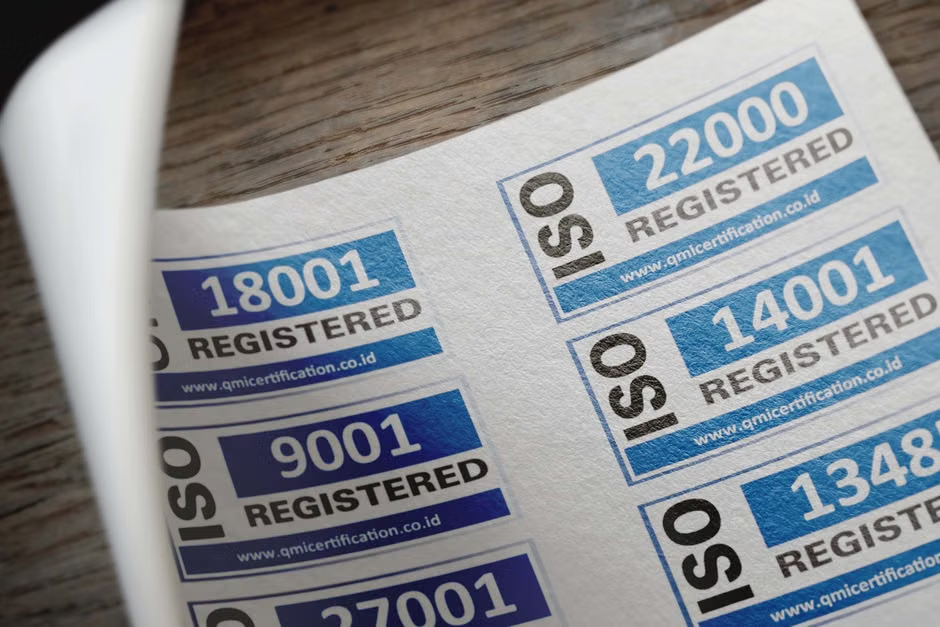
What are the 5 key areas of compliance for European health resorts?
The five key areas of compliance for European health resorts typically revolve around data protection, health and safety, environmental sustainability, consumer rights, and professional qualifications. Adhering to these pillars ensures legal operation, protects guests and staff, and upholds the reputation of the wellness sector.
We’ve identified these areas as critical, drawing on our experience supporting member organizations across Europe. Failing in any of these can have serious consequences, both legally and for a spa’s ability to operate effectively and maintain guest trust.
Here are the key areas:
- Data Protection and Privacy (GDPR): Protecting sensitive personal data of guests and employees is paramount. This includes how data is collected, stored, processed, and secured, ensuring consent and transparency.
- Health and Safety Regulations: This covers everything from water quality in thermal pools and hygiene standards in treatment rooms to fire safety, staff training on emergency procedures, and the safe handling of therapeutic substances. Specific attention is often paid to balneology practices to ensure the efficacy and safety of natural remedies.
- Environmental Sustainability: Compliance here means adhering to regulations on waste management, water usage, energy efficiency, and the protection of natural resources. Promoting the EU Ecolabel for Spas: Sustainability Certification and Requirements is one way we help members meet these high standards.
- Consumer Rights and Protection: Ensuring fair trading practices, transparent pricing, clear terms and conditions for bookings, and effective mechanisms for handling customer complaints are all crucial for building and maintaining guest trust.
- Product and Service Specific Regulations: This includes the proper licensing of medical and wellness practitioners, adherence to guidelines for cosmetic products used in treatments, and certification for specialized equipment or therapies.
“Establishing clear, documented procedures for quality and safety is not just good practice; it’s a fundamental requirement in regulated industries like health and wellness. This includes everything from staff training to equipment maintenance and incident reporting, all critical for patient and client protection.”
Understanding these distinct categories helps operators implement targeted compliance strategies and allocate resources efficiently.
Beyond the Basics: Nuance and Suitability
While EU regulations provide a unifying framework, it’s vital to recognize that compliance isn’t a one-size-fits-all solution. The specifics often depend on the type of spa, the services offered, and the national legal traditions of the member state. For instance, a medical spa offering treatments prescribed by doctors will face different regulatory oversight than a wellness spa focused purely on relaxation and beauty treatments.
National regulations frequently build upon or add specific layers to EU law. This means operators must not only be aware of overarching European directives but also the local statutes governing aspects like professional qualifications for therapists, specific building codes, or regional environmental protection zones, especially when utilizing protected natural springs. ESPA EHV works with national associations to bridge this gap, ensuring that our members have access to relevant, localized information.
We believe in recommending the right approach for each unique context. Sometimes, compliance might involve adopting voluntary certification schemes, like the EU Ecolabel, which go beyond minimum legal requirements to demonstrate a commitment to excellence and sustainability. In other cases, it might involve partnering with legal experts specializing in health tourism to ensure contracts and marketing materials meet all consumer protection standards. Our goal is to empower members to make informed decisions that best suit their operations while upholding the highest ethical and legal standards.
What to Expect from Robust Compliance Efforts
Investing in robust compliance isn’t a cost; it’s an investment in the longevity and reputation of your health resort. You can expect enhanced operational stability, reduced legal risks, and improved trust among your clientele and partners. Effective compliance practices foster a culture of responsibility and professionalism.
The timeline for achieving full compliance isn’t a one-time event; it’s an ongoing process. Initial assessments and implementation of new policies might take several months, but monitoring, training, and adapting to new regulations are continuous. Think of it as a journey, not a destination. Regular internal audits, often conducted annually or biennially, help identify gaps and ensure continuous improvement. We consistently see that members who prioritize compliance proactively experience fewer disruptions and build stronger, more resilient businesses.
Ultimately, a strong compliance posture contributes significantly to positive guest experiences, knowing they are in a safe, ethical, and legally sound environment. This also strengthens the collective image of European spas as credible and future-ready institutions.
Practical Tips for Navigating Compliance Challenges
Staying compliant in the dynamic European regulatory landscape requires proactive strategies and a commitment to continuous improvement. Here are some practical tips that we recommend to our member spa and health resort operators:
- Stay Informed: Regularly consult official EU sources and governmental publications. Leverage resources provided by ESPA EHV, including our policy updates and collaborative research findings, which synthesize complex information into actionable insights.
- Conduct Regular Risk Assessments: Identify potential areas of non-compliance within your operations. This could involve reviewing data handling processes, checking safety protocols, or evaluating environmental impact. An external audit can provide an unbiased perspective.
- Invest in Staff Training: Your team is on the front lines of compliance. Ensure all staff members, from management to therapists and receptionists, understand the relevant regulations and their roles in upholding them. Regular refresher training is essential, especially with new directives.
- Document Everything: Maintain meticulous records of your compliance efforts. This includes policies, procedures, training logs, incident reports, and evidence of adherence to environmental standards. Good documentation serves as proof of your due diligence during inspections or audits.
- Seek Expert Advice: Don’t hesitate to consult legal professionals or specialized consultants who have expertise in European health and tourism regulations. Their guidance can be invaluable in complex areas or when interpreting new legislation.
- Leverage Your Network: Engage with professional organizations like ESPA EHV and other industry peers. Sharing experiences and best practices within our network can provide insights and solutions to common compliance challenges. Our collective representation through a single European umbrella means you don’t have to face these issues alone.

Navigating EU regulations is a continuous, vital aspect of operating a successful and responsible spa or health resort. By adopting a proactive and informed approach to compliance, operators not only safeguard their businesses but also contribute to the long-term sector development and maintain the unique spa heritage in Europe. We are committed to supporting our members in this critical endeavor, connecting health, tourism, and natural resources to ensure the European spa industry remains credible and future-ready.